Cute Animals
Giant Anteaters Are Making a Miraculous Comeback — And You’ll Love the Reason Why

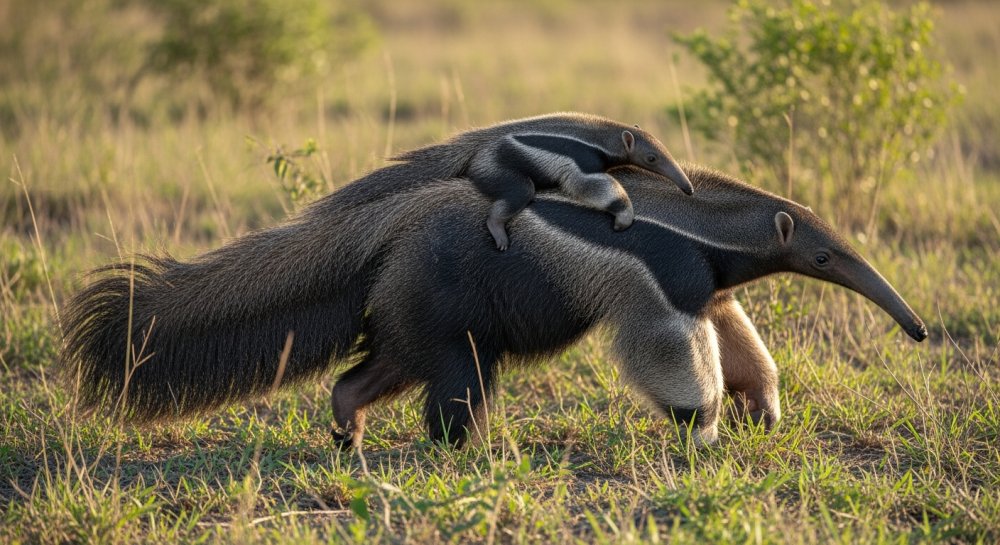
Quick Smiles:
- Giant anteaters have returned to Argentina after decades of absence, with the population soaring from zero to around 200 individuals
- The groundbreaking reintroduction program, launched nearly 20 years ago, has proven wildlife restoration efforts can succeed with patience and dedication
- Conservation heroes are now expanding this heartwarming success story to Brazil, bringing hope for these adorable creatures across South America
Nearly two decades ago, conservationists in Argentina embarked on an ambitious mission that seemed almost impossible at the time. They wanted to bring back the giant anteater — a beloved creature with a distinctive long snout and bushy tail — to landscapes where it had completely vanished.
Fast forward to today, and the results are nothing short of miraculous. What started as a bold experiment has blossomed into one of conservation’s most heartwarming success stories.
The giant anteater population in the reintroduction areas has grown from exactly zero to approximately 200 thriving individuals. These gentle giants are once again roaming freely through habitats their ancestors called home generations ago.
La Fundación Rewilding has been at the forefront of this inspiring effort, demonstrating that with commitment and scientific expertise, we can reverse the damage done to our natural world. The success in Argentina has created a blueprint for hope.
Now, conservation teams are taking this proven model across the border to Brazil, where they’re working to replicate the same beautiful outcomes. The expansion means even more giant anteaters will get a second chance at life in the wild.
Giant anteaters play a crucial role in their ecosystems, using their incredibly long tongues to consume thousands of ants and termites daily. Their return helps restore the natural balance that had been disrupted by their absence.
The reintroduction process involves carefully preparing rescued or captive-bred anteaters for life in the wild, teaching them essential survival skills before releasing them into protected areas. Each release is monitored to ensure the animals adapt successfully.
This achievement stands as powerful proof that extinction doesn’t have to be the final chapter for endangered species. With dedicated effort and scientific innovation, we can write redemption stories for creatures on the brink.
The growing anteater families represent more than just numbers — they’re living symbols of what humanity can accomplish when we choose to protect rather than destroy. Baby anteaters riding on their mothers’ backs are once again a common sight in these restored habitats.
Conservation experts worldwide are celebrating this milestone and studying the program’s methods to apply similar strategies for other threatened species. The ripple effects of this success story continue to spread hope across the conservation community.

-

 Cute Animals3 years ago
Puppy Love Patrol: Service Dog Swoons Over K9 Officer Neighbor
-
 Cute Animals3 years ago
Hugs, Hooves, and Happiness: Newborn Donkey Steals Hearts by Demanding Affection [Video]
-

 Cute Animals3 years ago
WATCH: A German Shepherd’s Surprising Parenting Instinct for Lost Ducklings!
-

 Cute Animals3 years ago
Petty Pup Pulls Off Hilarious Bone Heist [Video]
-

 Cute Animals3 years ago
“Pure Love”: Adopted Rescue Dog Can’t Hide How Grateful He Is [Video]
-

 Heroes3 years ago
A Lost Dog’s Bark Leads to a Lifesaving Discovery
-

 Cute Animals3 years ago
Tiny but Mighty: Cat with Dwarfism Becomes Internet Star as Owners Adapt Backyard for Her Comfort
-

 Cute Animals3 years ago
Adorable Puppy Steals Hearts After a Tiring Swim [Video]