Cute Animals
Mother Nature Delivers the Best Baby News in 17 Years — And It’s Absolutely Heartwarming

Quick Smiles:
- 2026 sees the most North Atlantic right whale calves born since 2009 — a beautiful sign of hope for these majestic creatures
- Breeding patterns show promising normalization, suggesting faster population recovery ahead
- Every new calf represents a miraculous victory for one of the ocean’s most endangered species
The ocean just delivered the most heartwarming baby announcement in nearly two decades. This year’s calving season along America’s southeast coastline has documented the highest number of North Atlantic right whale calves since 2009, bringing smiles to marine biologists and animal lovers everywhere.
The adorable new arrivals represent far more than just cute baby pictures. Trends in calf births are showing a normalization of breeding and birthing patterns among these magnificent animals — a development that could significantly accelerate population recovery for one of the world’s most endangered whale species.
North Atlantic right whales have faced tremendous challenges in recent years, making each new calf a precious miracle. These gentle giants, which can grow up to 52 feet long and weigh 70 tons, have been fighting for survival against ship strikes, fishing gear entanglements, and changing ocean conditions.
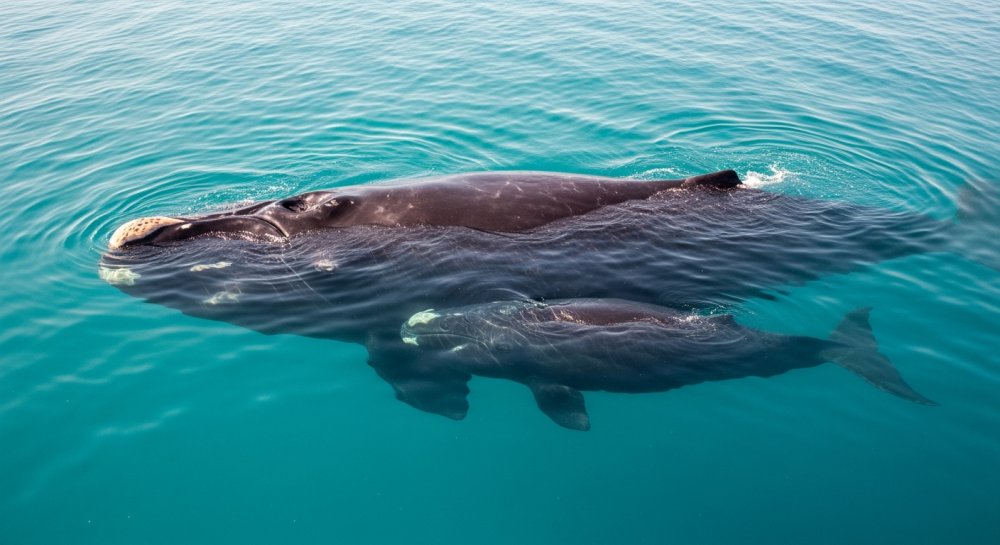
The 2026 calving season has given conservationists renewed hope and optimism. Marine researchers monitoring the southeastern U.S. waters have been thrilled to spot mother whales swimming alongside their newborn calves, creating touching scenes of maternal care and family bonds that warm the heart.
Each mother-calf pair spotted represents months of successful pregnancy and the beginning of a critical nursing period that will last nearly a year. Baby right whales are born weighing about one ton and measuring 13-15 feet long — already impressive, but still completely dependent on their mothers for survival and protection.
The improved calving numbers suggest that conservation efforts are beginning to pay off beautifully. Protected calving grounds, vessel speed restrictions, and modified fishing practices have created safer conditions for these magnificent creatures to bring their babies into the world.
Wildlife experts emphasize that while this year’s baby boom is cause for celebration, continued vigilance and protection remain essential. The North Atlantic right whale population still numbers only around 350 individuals, making every single calf incredibly precious to the species’ future.
The normalization of breeding patterns is particularly encouraging news. It suggests that the whales are finding adequate food sources, maintaining good health, and experiencing less stress — all factors that contribute to successful reproduction and healthy calves.
As these newest members of the North Atlantic right whale family begin their journey through life, they carry with them the hopes of everyone working to ensure their species thrives for generations to come. This year’s record-breaking calf count is a beautiful reminder that when humans commit to protecting nature, miraculous recoveries are possible.

-

 Cute Animals3 years ago
Puppy Love Patrol: Service Dog Swoons Over K9 Officer Neighbor
-
 Cute Animals3 years ago
Hugs, Hooves, and Happiness: Newborn Donkey Steals Hearts by Demanding Affection [Video]
-

 Cute Animals3 years ago
WATCH: A German Shepherd’s Surprising Parenting Instinct for Lost Ducklings!
-

 Cute Animals3 years ago
Petty Pup Pulls Off Hilarious Bone Heist [Video]
-

 Cute Animals3 years ago
“Pure Love”: Adopted Rescue Dog Can’t Hide How Grateful He Is [Video]
-

 Heroes3 years ago
A Lost Dog’s Bark Leads to a Lifesaving Discovery
-

 Cute Animals3 years ago
Tiny but Mighty: Cat with Dwarfism Becomes Internet Star as Owners Adapt Backyard for Her Comfort
-

 Cute Animals3 years ago
Adorable Puppy Steals Hearts After a Tiring Swim [Video]