Biz That Gives
Farmers Making Jaw-Dropping Discovery That Could Change How We Eat Forever

Quick Smiles:
- Revolutionary farming method rebuilds soil naturally while growing healthier food
- Everyday farmers proving sustainable agriculture can feed communities without chemicals
- Movement gaining momentum as consumers discover food that tastes better and nourishes the earth
A quiet revolution is taking root across farmlands, and it’s restoring hope for both our plates and our planet. Regenerative agriculture—a farming approach that heals soil while producing food—is shifting from niche experiment to genuine possibility for mainstream adoption.
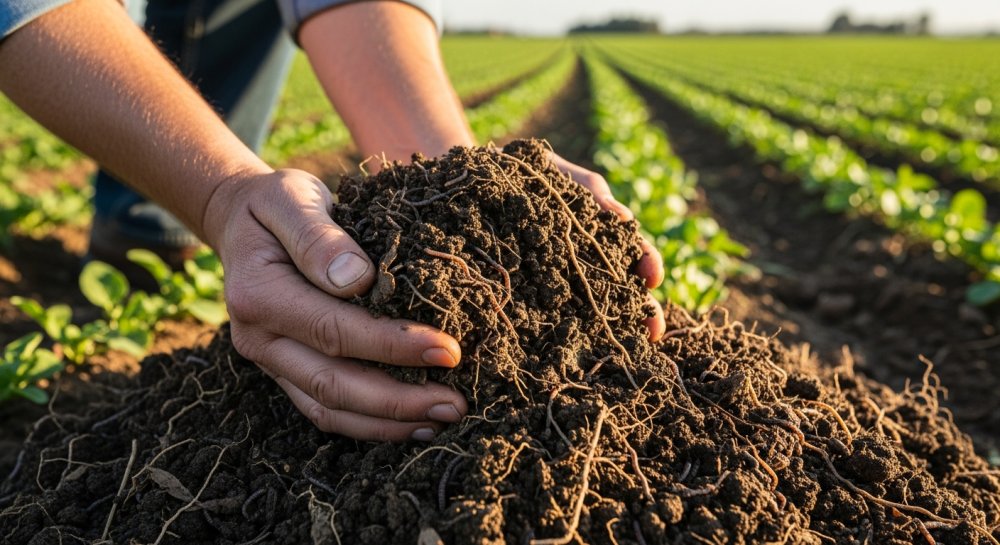
Unlike conventional farming that depletes earth’s resources, regenerative methods work with nature’s rhythms. Farmers are discovering that by rotating crops, minimizing tilling, and avoiding synthetic chemicals, they can rebuild nutrient-rich soil that captures carbon and produces more flavorful, nutritious food. The land gets healthier with each harvest instead of weaker.
What makes this movement particularly heartwarming is how everyday farmers are leading the charge. From small family operations to mid-sized farms, growers are witnessing remarkable transformations. Soil that was once hard and lifeless becomes soft and teeming with microorganisms. Crops grow stronger naturally, requiring fewer inputs and yielding better harvests.
The ripple effects extend beyond the farm gate. Communities are noticing the difference—vegetables with deeper flavors, meat from animals raised on diverse pastures, and grains that taste like they did generations ago. Farmers markets and local grocers are responding to growing demand for regeneratively grown products.
Major food companies are taking notice too, with some launching pilot programs to source regeneratively grown ingredients. While challenges remain—including the need for farmer education, transition support, and infrastructure development—the momentum is undeniably building.
Perhaps most inspiring is the underlying philosophy: that we can feed ourselves abundantly while making the earth better, not worse. Each regenerative farm becomes a living example that agriculture doesn’t have to deplete—it can restore.
As awareness spreads and success stories multiply, the question isn’t whether regenerative food will go mainstream, but how quickly communities will embrace farming that leaves the land healthier for the next generation. The seeds of change are already planted, and they’re growing in soil that’s finally being given the chance to thrive.

-

 Cute Animals3 years ago
Puppy Love Patrol: Service Dog Swoons Over K9 Officer Neighbor
-
 Cute Animals3 years ago
Hugs, Hooves, and Happiness: Newborn Donkey Steals Hearts by Demanding Affection [Video]
-

 Cute Animals3 years ago
WATCH: A German Shepherd’s Surprising Parenting Instinct for Lost Ducklings!
-

 Cute Animals3 years ago
Petty Pup Pulls Off Hilarious Bone Heist [Video]
-

 Cute Animals3 years ago
“Pure Love”: Adopted Rescue Dog Can’t Hide How Grateful He Is [Video]
-

 Heroes3 years ago
A Lost Dog’s Bark Leads to a Lifesaving Discovery
-

 Cute Animals3 years ago
Tiny but Mighty: Cat with Dwarfism Becomes Internet Star as Owners Adapt Backyard for Her Comfort
-

 Cute Animals3 years ago
Adorable Puppy Steals Hearts After a Tiring Swim [Video]