Biz That Gives
Colorado School District Just Solved Two Problems at Once With This Genius Electric Bus Innovation

Quick Smiles:
- Six new electric school buses are serving double duty—transporting kids and powering the grid during peak demand
- The innovative vehicle-to-grid technology turns idle buses into massive backup batteries for the Denver area
- This wholesome solution helps the environment, saves taxpayer money, and keeps the lights on for families
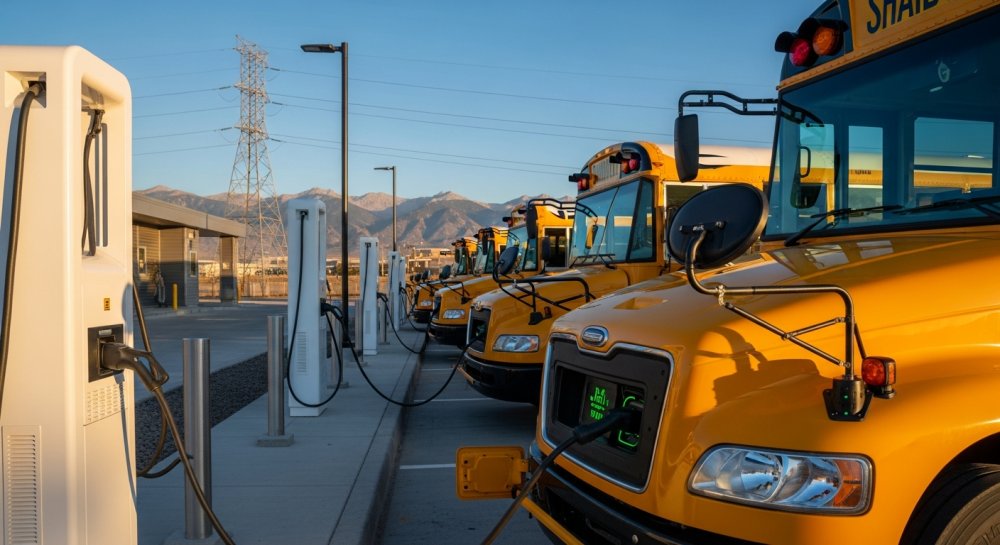
A Colorado school district just figured out how to make their buses work overtime in the most ingenious way possible. Six brand-new electric school buses in Cherry Creek are doing something revolutionary—after they drop kids off at school, they’re plugging back in to help power homes and businesses across the Denver area.
Here’s how this heartwarming innovation works: The buses charge up overnight when electricity demand is low and rates are cheaper. They ferry students to and from school as usual, but during those long hours sitting idle at the depot, they become giant backup batteries for the local power grid.
When demand spikes on hot summer afternoons or during winter cold snaps, the buses can send stored electricity back into the grid. It’s called vehicle-to-grid (V2G) technology, and it’s turning ordinary school transportation into an extraordinary community resource.
The timing couldn’t be better. As more families and businesses draw power during peak hours, utilities struggle to keep up without firing up expensive and polluting backup generators.
These electric buses offer a clean, cost-effective alternative. Each bus can store enough energy to power several homes for hours, and six buses working together create a meaningful boost to grid reliability.
The benefits extend far beyond just electricity. Electric buses produce zero tailpipe emissions, meaning kids breathe cleaner air on their daily commutes. They’re also quieter than diesel buses, reducing noise pollution in residential neighborhoods.
For the school district, it’s a financial win too. The revenue from selling power back to the grid helps offset the higher upfront cost of electric buses, while lower fuel and maintenance costs add up to significant long-term savings for taxpayers.
This isn’t just good news for Colorado—it’s a blueprint other communities can follow. As battery technology improves and more school districts consider electrifying their fleets, the potential for buses to support local power grids grows exponentially.
Imagine thousands of school buses across America serving as a distributed network of backup batteries, strengthening grid resilience while delivering kids safely to school. That future is already arriving in Cherry Creek, one bus route at a time.
The project demonstrates how smart planning and innovative thinking can solve multiple challenges simultaneously. It’s proof that with creativity and commitment, we can build infrastructure that serves our children, our communities, and our planet all at once.

-
 Cute Animals3 years ago
Puppy Love Patrol: Service Dog Swoons Over K9 Officer Neighbor
-
 Cute Animals3 years ago
Hugs, Hooves, and Happiness: Newborn Donkey Steals Hearts by Demanding Affection [Video]
-

 Cute Animals3 years ago
WATCH: A German Shepherd’s Surprising Parenting Instinct for Lost Ducklings!
-

 Cute Animals3 years ago
Petty Pup Pulls Off Hilarious Bone Heist [Video]
-

 Cute Animals3 years ago
“Pure Love”: Adopted Rescue Dog Can’t Hide How Grateful He Is [Video]
-

 Heroes3 years ago
A Lost Dog’s Bark Leads to a Lifesaving Discovery
-
 Cute Animals3 years ago
Tiny but Mighty: Cat with Dwarfism Becomes Internet Star as Owners Adapt Backyard for Her Comfort
-

 Cute Animals3 years ago
Adorable Puppy Steals Hearts After a Tiring Swim [Video]