Smile
These Kids Are Living Their Best Lives — And Their Secret Will Restore Your Faith in Simple Joys

Quick Smiles:
- Dutch children ranked happiest in the world for mental wellbeing and life satisfaction
- Simple childhood freedoms like biking to school and playing outside create lasting happiness
- Strong family bonds and quality time together form foundation of contentment
Dutch children have once again been declared the happiest in the world, and the reasons behind their joy might just inspire parents everywhere to rethink what truly matters in childhood. The latest international research reveals that kids in the Netherlands consistently rank highest for mental wellbeing, physical health, and overall life satisfaction.
What’s their secret? It’s beautifully simple: freedom, play, and family time.
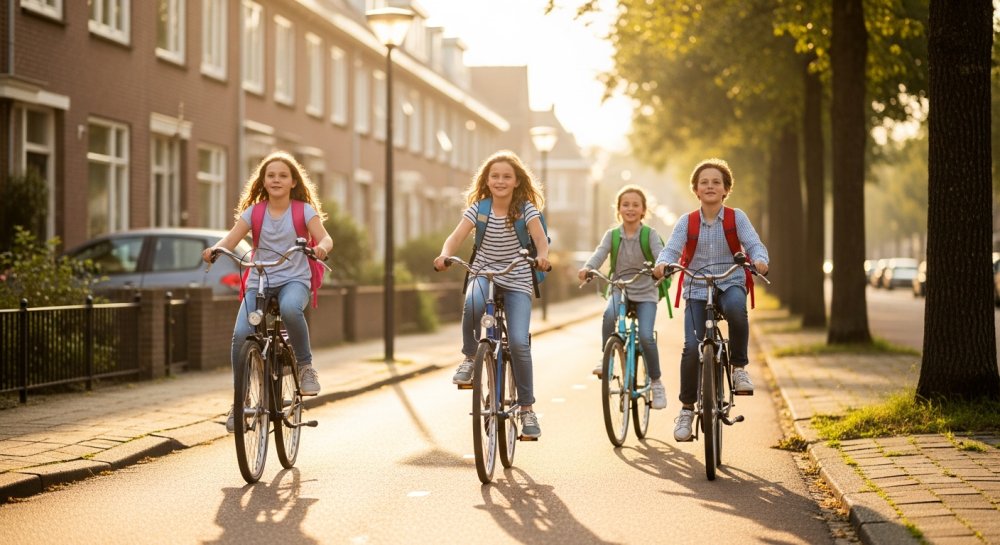
Unlike many countries where children are shuttled from one structured activity to another, Dutch kids enjoy remarkable independence. They bike to school alone, play outside with friends unsupervised, and have genuine free time to just be kids. This autonomy builds confidence and resilience in ways that organized activities simply can’t replicate.
The Dutch approach to childhood prioritizes unstructured play over academic pressure. School days are shorter, homework is minimal for younger children, and there’s a cultural understanding that childhood should be enjoyed, not rushed. Parents focus less on achievement and more on wellbeing.
Family meals together are sacred in Dutch households, providing daily opportunities for connection and conversation. Parents make time to actually be present with their children, not just physically there but emotionally engaged. This consistent family bonding creates a secure foundation that helps children thrive.
The physical environment matters too. Dutch neighborhoods are designed with children in mind, featuring safe bike paths, accessible parks, and communities where kids can roam freely. This built-in safety net allows parents to grant independence without excessive worry.
Experts point to the Dutch balance between freedom and boundaries as key. Children have space to explore and make decisions, but within a framework of clear expectations and supportive relationships. They’re trusted to handle responsibility, which builds self-esteem and capability.
Perhaps most remarkably, this happiness isn’t coming at the expense of future success. Dutch children perform well academically and grow into well-adjusted adults, proving that childhood joy and long-term achievement aren’t mutually exclusive.
The lesson for parents worldwide is heartwarming: happiness doesn’t require expensive activities, constant supervision, or packed schedules. Sometimes the greatest gift we can give children is simply time, freedom, and our undivided attention.

-

 Cute Animals3 years ago
Puppy Love Patrol: Service Dog Swoons Over K9 Officer Neighbor
-
 Cute Animals3 years ago
Hugs, Hooves, and Happiness: Newborn Donkey Steals Hearts by Demanding Affection [Video]
-

 Cute Animals3 years ago
WATCH: A German Shepherd’s Surprising Parenting Instinct for Lost Ducklings!
-

 Cute Animals3 years ago
Petty Pup Pulls Off Hilarious Bone Heist [Video]
-

 Cute Animals3 years ago
“Pure Love”: Adopted Rescue Dog Can’t Hide How Grateful He Is [Video]
-

 Heroes3 years ago
A Lost Dog’s Bark Leads to a Lifesaving Discovery
-

 Cute Animals3 years ago
Tiny but Mighty: Cat with Dwarfism Becomes Internet Star as Owners Adapt Backyard for Her Comfort
-

 Cute Animals3 years ago
Adorable Puppy Steals Hearts After a Tiring Swim [Video]