Cute Animals
Tiny Desert Mouse Holds Secret to Living Longer—Scientists Are Stunned by What They Found

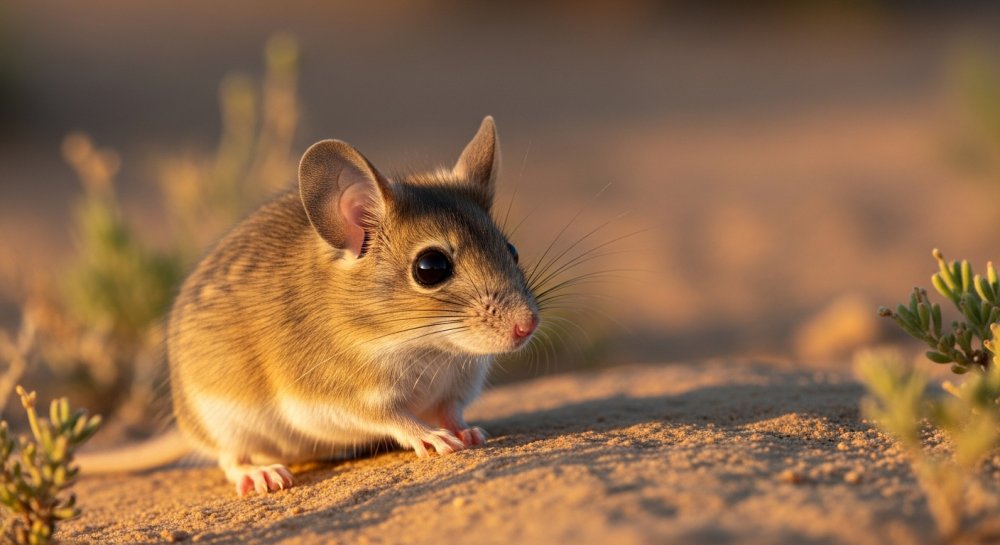
Quick Smiles:
- Golden spiny mouse lives unusually long and stays healthy—scientists discovered it has sky-high levels of a longevity protein also found in humans
- This adorable desert dweller could unlock the secrets to aging gracefully, helping us understand how to live longer, healthier lives
- Research on this remarkable little creature may lead to breakthroughs in human longevity and age-related disease prevention
A protein linked to longevity in humans has recently been discovered in extraordinarily high concentrations in a remarkable desert-dwelling rodent. The finding is sparking excitement in the scientific community and making a compelling case for expanded research into a little-understood metabolic pathway that could revolutionize our understanding of healthy aging across all mammals.
The golden spiny mouse, a resilient creature native to arid regions, is proving to be anything but ordinary. Unlike its short-lived laboratory cousins, this fascinating mouse lives an unusually long life while maintaining remarkable health throughout its years—a trait that has captured the attention of longevity researchers worldwide.
Scientists examining the golden spiny mouse have identified elevated levels of a specific protein strongly associated with extended lifespan in humans. This discovery suggests that the mechanisms governing healthy aging may be more universal than previously thought, potentially offering a biological blueprint that could be applied across species.
The research opens exciting new avenues for understanding how certain animals—and potentially humans—can maintain vitality and resist age-related decline. The metabolic pathway involved appears to be influenced by genetic factors, raising the possibility that longevity traits could be better understood and perhaps even enhanced through targeted interventions.
What makes the golden spiny mouse particularly valuable to researchers is its natural resilience and extended healthspan—not just lifespan. The mouse doesn’t simply live longer; it remains active, healthy, and vigorous throughout its extended years, exactly the kind of aging trajectory scientists hope to promote in humans.
This heartwarming discovery reminds us that nature still holds countless secrets to unlock. A tiny mouse living in harsh desert conditions may hold keys to helping humans live not just longer, but better—with more years of health, independence, and joy.
The implications extend far beyond the laboratory. Understanding the biological mechanisms that allow the golden spiny mouse to age so gracefully could lead to breakthroughs in preventing age-related diseases, maintaining cognitive function, and improving quality of life in our later years.
As research continues, this remarkable little creature stands as a beacon of hope—proof that the secrets to longevity may be hidden in the most unexpected places, waiting to restore our faith in the possibility of healthier, longer lives for everyone.

-

 Cute Animals3 years ago
Puppy Love Patrol: Service Dog Swoons Over K9 Officer Neighbor
-
 Cute Animals3 years ago
Hugs, Hooves, and Happiness: Newborn Donkey Steals Hearts by Demanding Affection [Video]
-

 Cute Animals3 years ago
WATCH: A German Shepherd’s Surprising Parenting Instinct for Lost Ducklings!
-

 Cute Animals3 years ago
Petty Pup Pulls Off Hilarious Bone Heist [Video]
-

 Cute Animals3 years ago
“Pure Love”: Adopted Rescue Dog Can’t Hide How Grateful He Is [Video]
-

 Heroes3 years ago
A Lost Dog’s Bark Leads to a Lifesaving Discovery
-

 Cute Animals3 years ago
Tiny but Mighty: Cat with Dwarfism Becomes Internet Star as Owners Adapt Backyard for Her Comfort
-

 Cute Animals3 years ago
Adorable Puppy Steals Hearts After a Tiring Swim [Video]