Heroes
Hidden Ocean Hope: Scientists Discover Coral Reefs Thriving Where No One Expected

Quick Smiles:
- Groundbreaking AI research reveals 64,000 square miles of climate-resilient coral reefs worldwide—an area the size of Wisconsin
- These hardy underwater ecosystems are projected to thrive through 2050, defying predictions of widespread reef collapse
- Discovery offers new conservation blueprint and proves nature’s remarkable adaptability in challenging conditions
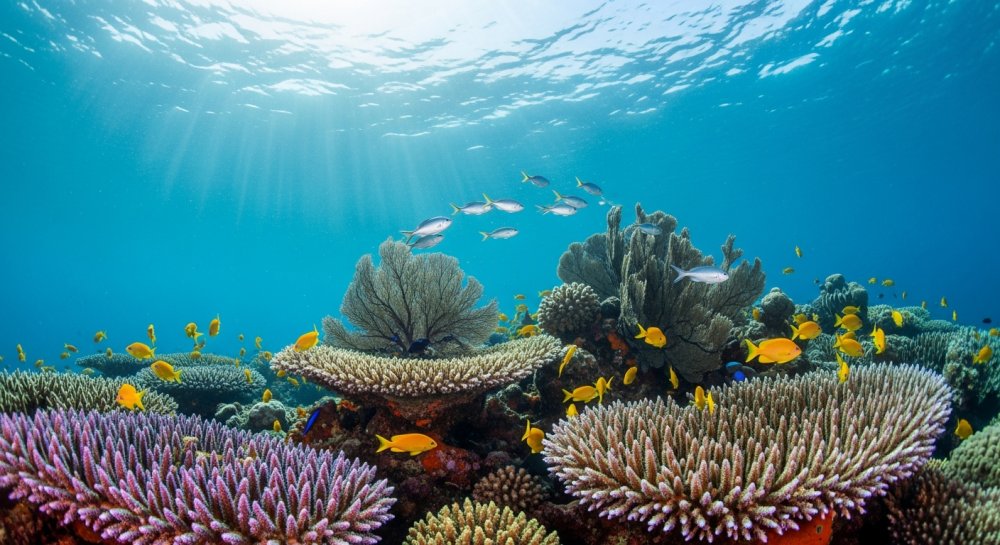
In a stunning revelation that challenges conventional wisdom about ocean ecosystems, scientists have identified vast stretches of coral reefs demonstrating exceptional resilience to environmental pressures. Using cutting-edge artificial intelligence technology, researchers mapped approximately 64,000 square miles of reef systems worldwide—equivalent to the entire state of Wisconsin—that show strong capacity to withstand changing ocean conditions through mid-century.
The sophisticated AI-powered analysis examined coral reef behavior patterns and projected their survival rates into 2050. Where many experts predicted widespread ecosystem collapse, this research uncovered pockets of extraordinary natural durability scattered across the world’s oceans.
These resilient reefs represent a beacon of hope for marine conservation efforts. Rather than accepting inevitable decline, scientists now have a detailed roadmap showing where coral ecosystems possess inherent strengths worth protecting and studying.
The discovery fundamentally shifts conservation strategy from damage control to identifying and safeguarding these naturally robust marine habitats. By understanding what makes certain reefs more adaptable, researchers can better focus limited resources on preserving areas with the greatest long-term survival potential.
This breakthrough demonstrates nature’s remarkable capacity for adaptation even under stress. The identified reef systems span diverse ocean regions, suggesting that localized conditions—water circulation patterns, depth, nutrient availability, and genetic variations in coral species—create protective microenvironments allowing these ecosystems to flourish.
For coastal communities dependent on reef systems for fishing, tourism, and shoreline protection, this research offers genuine optimism. These durable coral networks will continue providing essential ecosystem services: fish nurseries, biodiversity hotspots, and natural wave barriers protecting vulnerable coastlines.
The AI methodology itself represents a scientific leap forward. By processing massive datasets on ocean conditions, coral health indicators, and environmental variables, the technology identified resilience patterns human researchers might have missed, opening new possibilities for marine biology and conservation planning.
Rather than writing off coral reefs as doomed ecosystems, this discovery reframes the conversation around strategic preservation. The 64,000 square miles of identified resilient reefs become high-priority conservation zones worthy of enhanced protection and study.
Scientists emphasize that understanding these thriving reefs could unlock secrets to helping vulnerable coral systems elsewhere. Genetic studies of hardy coral species, analysis of protective water conditions, and examination of successful ecosystem dynamics may provide tools for reef restoration projects worldwide.
This research reminds us that nature often surprises us with its tenacity and adaptability when given proper attention and protection.

-

 Cute Animals3 years ago
Puppy Love Patrol: Service Dog Swoons Over K9 Officer Neighbor
-
 Cute Animals3 years ago
Hugs, Hooves, and Happiness: Newborn Donkey Steals Hearts by Demanding Affection [Video]
-

 Cute Animals3 years ago
WATCH: A German Shepherd’s Surprising Parenting Instinct for Lost Ducklings!
-

 Cute Animals3 years ago
Petty Pup Pulls Off Hilarious Bone Heist [Video]
-

 Cute Animals3 years ago
“Pure Love”: Adopted Rescue Dog Can’t Hide How Grateful He Is [Video]
-

 Heroes3 years ago
A Lost Dog’s Bark Leads to a Lifesaving Discovery
-

 Cute Animals3 years ago
Tiny but Mighty: Cat with Dwarfism Becomes Internet Star as Owners Adapt Backyard for Her Comfort
-

 Cute Animals3 years ago
Adorable Puppy Steals Hearts After a Tiring Swim [Video]