Smile
Nature’s Comeback Story: Seabird Eggs Show Stunning 70% Drop in Harmful Chemicals — This Will Restore Your Faith

Quick Smiles:
- Scientists discovered a remarkable 70% decrease in harmful “forever chemicals” found in seabird eggs over the past 55 years
- Toxic PFAS chemicals peaked in the 1990s but have dramatically declined thanks to smart government regulations
- This heartwarming environmental win proves that when we take action to protect nature, real healing happens
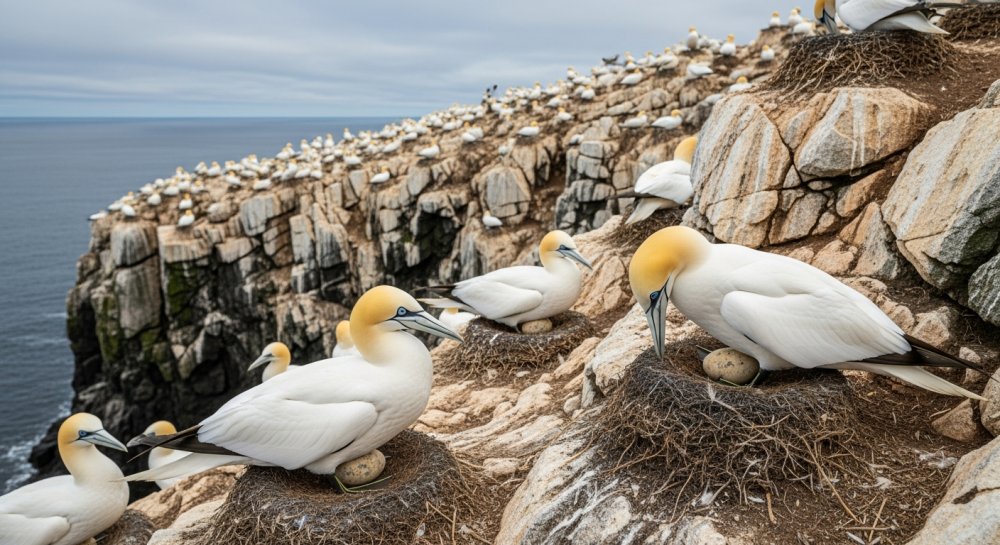
In a discovery that will absolutely warm your heart, scientists have found stunning evidence that our efforts to protect wildlife are actually working. A groundbreaking study tracking seabird eggs over more than half a century has revealed a jaw-dropping 70% reduction in dangerous “forever chemicals” — and it’s all thanks to regulatory action that put nature first.
The research team examined eggs from seabird colonies spanning 55 years of environmental history. What they found was a story of hope: while these toxic substances known as PFAS (per- and polyfluoroalkyl substances) rose exponentially during the industrial boom of the 1960s, they peaked in the 1990s before beginning a steady, beautiful decline.
The turnaround coincided perfectly with North American governments stepping up to regulate these harmful chemicals. It’s proof positive that when we prioritize the health of our planet and its creatures, miraculous recovery can happen.
PFAS chemicals earned the nickname “forever chemicals” because they don’t break down naturally in the environment. They’ve been used in everything from non-stick cookware to firefighting foam. But this study shows that “forever” doesn’t mean “unchangeable” — not when we take decisive action.
Seabirds serve as nature’s early warning system, making them perfect indicators of environmental health. The fact that their eggs now contain dramatically lower levels of these toxins means cleaner oceans, healthier fish populations, and a brighter future for countless marine species.
This feel-good environmental victory reminds us that conservation efforts truly matter. Every regulation passed, every chemical phased out, every step taken toward protecting our natural world creates ripples of healing that extend far beyond what we can see.
The declining trend has continued steadily since the 1990s, showing that sustained commitment to environmental protection delivers real, measurable results. It’s a beautiful testament to what’s possible when science guides policy and governments act in the interest of wildlife and human health alike.
For anyone who’s ever wondered whether individual actions and collective regulations can make a difference — here’s your answer. The seabirds are thriving, the oceans are recovering, and nature is proving once again its incredible resilience when we give it a fighting chance.

-

 Cute Animals3 years ago
Puppy Love Patrol: Service Dog Swoons Over K9 Officer Neighbor
-
 Cute Animals3 years ago
Hugs, Hooves, and Happiness: Newborn Donkey Steals Hearts by Demanding Affection [Video]
-

 Cute Animals3 years ago
WATCH: A German Shepherd’s Surprising Parenting Instinct for Lost Ducklings!
-

 Cute Animals3 years ago
Petty Pup Pulls Off Hilarious Bone Heist [Video]
-

 Cute Animals3 years ago
“Pure Love”: Adopted Rescue Dog Can’t Hide How Grateful He Is [Video]
-

 Heroes3 years ago
A Lost Dog’s Bark Leads to a Lifesaving Discovery
-

 Cute Animals3 years ago
Tiny but Mighty: Cat with Dwarfism Becomes Internet Star as Owners Adapt Backyard for Her Comfort
-

 Cute Animals3 years ago
Adorable Puppy Steals Hearts After a Tiring Swim [Video]