Heroes
Scientists Pull Off Incredible Feat to Save One of Earth’s Rarest Animals

Quick Smiles:
- Chinese scientists successfully cloned wild yaks for the first time ever to save this majestic species
- The golden wild yak population has dwindled to fewer than 300 individuals in the wild
- This groundbreaking conservation effort offers real hope for preserving one of the Tibetan Plateau’s most legendary creatures
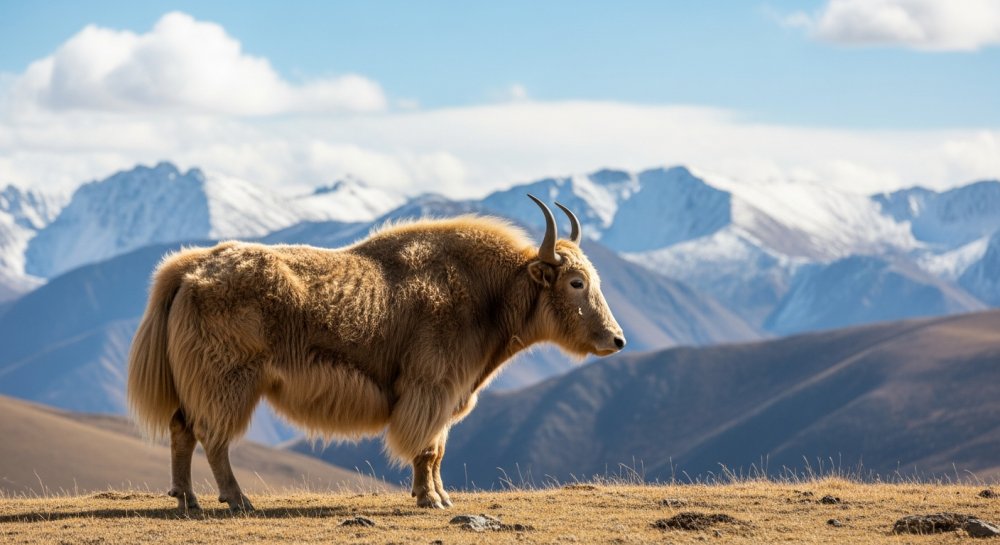
In a stunning scientific breakthrough that’s restoring faith in conservation efforts, researchers in China have achieved something never done before—successfully cloning wild yaks to help save one of the planet’s rarest and most magnificent animals. The golden wild yak, a subspecies numbering fewer than 300 individuals, now has a fighting chance thanks to this pioneering work.
The wild yak has roamed the Tibetan Plateau for millennia, playing a crucial role in the ecosystem as a keystone herbivore. These remarkable creatures have held a special place in Tibetan culture for generations. According to ancient legend, when Mount Buye on the Tibetan Plateau was married to Mount Zhaxiangqian, seven golden wild yaks were given as a wedding gift—a testament to how precious and revered these animals have always been.
Scientists accomplished both single and multiple cloning procedures in this first-of-its-kind effort. The breakthrough represents not just a technical achievement, but a genuine ray of hope for a species teetering on the brink. With such a critically small population remaining in the wild, every individual matters enormously for the subspecies’ survival.
The golden wild yak is distinguished by its stunning appearance and incredible resilience in one of Earth’s harshest environments. These animals have adapted to thrive at extreme altitudes where oxygen is scarce and temperatures plummet, making them uniquely suited to their mountain home. Their diminishing numbers have alarmed conservationists who recognize their irreplaceable role in the delicate balance of the Tibetan ecosystem.
This cloning initiative marks a significant moment in conservation science. Rather than watching helplessly as a magnificent species slides toward extinction, researchers are taking bold, innovative action to reinforce the population. The success of these cloning procedures opens new possibilities for preserving not just wild yaks, but other endangered species facing similar threats.
The project demonstrates how cutting-edge technology and deep respect for nature can work hand in hand. By combining advanced reproductive science with traditional knowledge and cultural reverence for these animals, China is showing the world that extinction doesn’t have to be inevitable—even for species on the very edge.
For the Tibetan Plateau and its ecosystem, the return of healthy wild yak populations could mean restored balance and renewed vitality. These gentle giants play an essential role in shaping their environment, and their conservation benefits countless other species sharing their mountain home.

-

 Cute Animals3 years ago
Puppy Love Patrol: Service Dog Swoons Over K9 Officer Neighbor
-
 Cute Animals3 years ago
Hugs, Hooves, and Happiness: Newborn Donkey Steals Hearts by Demanding Affection [Video]
-

 Cute Animals3 years ago
WATCH: A German Shepherd’s Surprising Parenting Instinct for Lost Ducklings!
-

 Cute Animals3 years ago
Petty Pup Pulls Off Hilarious Bone Heist [Video]
-

 Cute Animals3 years ago
“Pure Love”: Adopted Rescue Dog Can’t Hide How Grateful He Is [Video]
-

 Heroes3 years ago
A Lost Dog’s Bark Leads to a Lifesaving Discovery
-

 Cute Animals3 years ago
Tiny but Mighty: Cat with Dwarfism Becomes Internet Star as Owners Adapt Backyard for Her Comfort
-

 Cute Animals3 years ago
Adorable Puppy Steals Hearts After a Tiring Swim [Video]