Cute Animals
Sea Turtles Thrive as Global Protections Grow

Quick Smiles:
- Most sea turtle populations worldwide are increasing, thanks to conservation efforts.
- Protections like reducing artificial lighting and modifying fishing practices help more turtle hatchlings survive.
- Some regions, like the Seychelles, have seen green sea turtle egg counts multiply dramatically.
Sea turtles, once threatened by overhunting and habitat loss, are making remarkable comebacks as communities and governments strengthen protections. Many beaches with improved conservation measures now see more turtles returning to nest.
“Sea turtles are a shining light of marine conservation with recoveries of many nesting populations,” said Marine Science Professor Graeme Hays at Deakin University.
International teams of scientists have reviewed nearly 300 sea turtle population records and found that increases outnumber decreases by a large margin, signaling broad success for conservation efforts. Reducing artificial lighting, changing fishing gear, and supporting legal protections have played key roles.
“When I think of sea turtles, the first word that comes into my mind is resilience,” said Jeffrey Seminoff, a scientist at NOAA Fisheries.
“Give them a chance to thrive and they will take advantage of it.”
Public attitudes toward sea turtles are changing, too. Former poachers now lead ecotourism efforts, and younger generations see turtles as wildlife to protect, not as commodities. Laws such as the U.S. Endangered Species Act have also been pivotal.
Analysis shows encouraging patterns: “Significant population increases were three times more common than significant decreases,” scientists wrote in the recent study. Green sea turtles, for example, have surged in several regions, while loggerhead nest numbers in places like Cape Verde have multiplied from 500 to 35,000 a year between 2008 and 2020.
While leatherback turtles face continued challenges, most sea turtle species are either stable or increasing. Researchers are hopeful that turtles may adapt to climate shifts by seeking cooler nesting grounds or nesting earlier in the year.
“When you stop hunting and otherwise harming species and they regain their ecological foothold, they can again become a thriving part of the marine ecosystem,” Seminoff added.
Every new hatchling and thriving nesting site proves that dedicated efforts and compassion make a lasting difference for sea turtles and our oceans.

-

 Cute Animals3 years ago
Puppy Love Patrol: Service Dog Swoons Over K9 Officer Neighbor
-
 Cute Animals3 years ago
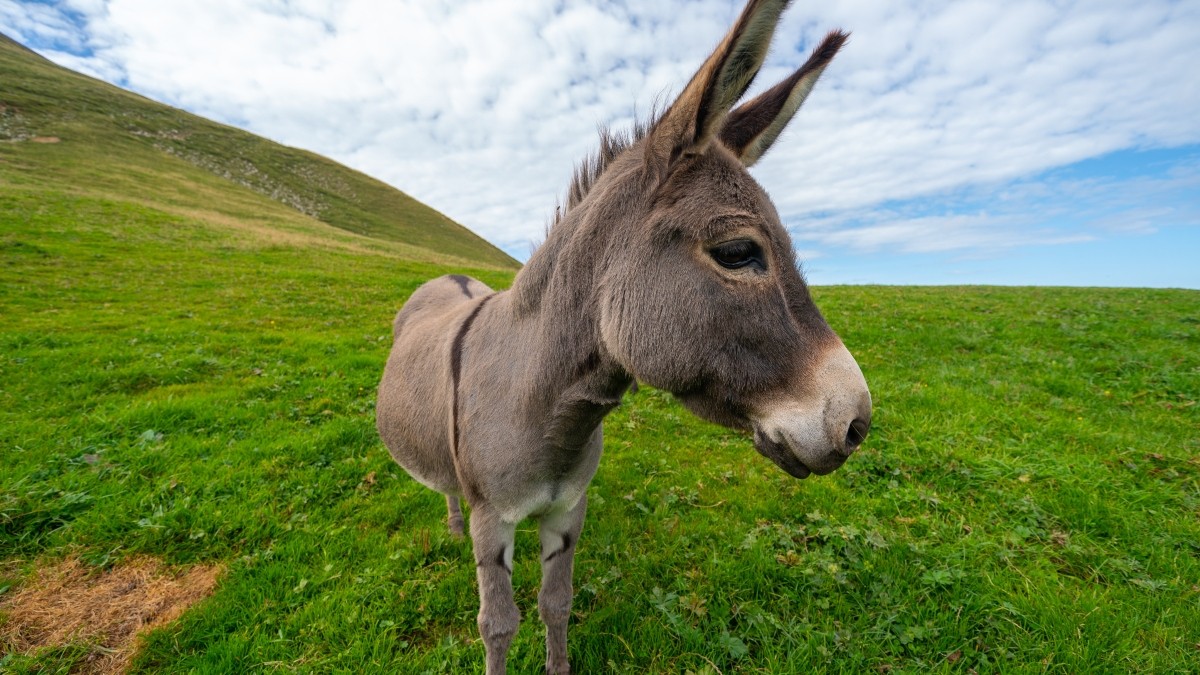
Hugs, Hooves, and Happiness: Newborn Donkey Steals Hearts by Demanding Affection [Video]
-

 Cute Animals3 years ago
WATCH: A German Shepherd’s Surprising Parenting Instinct for Lost Ducklings!
-

 Cute Animals3 years ago
Petty Pup Pulls Off Hilarious Bone Heist [Video]
-

 Cute Animals3 years ago
“Pure Love”: Adopted Rescue Dog Can’t Hide How Grateful He Is [Video]
-

 Heroes3 years ago
A Lost Dog’s Bark Leads to a Lifesaving Discovery
-

 Cute Animals3 years ago
Tiny but Mighty: Cat with Dwarfism Becomes Internet Star as Owners Adapt Backyard for Her Comfort
-

 Cute Animals3 years ago
Adorable Puppy Steals Hearts After a Tiring Swim [Video]