Smile
Struggling Gardeners Discover Jaw-Dropping Secret to Beautiful Blooms Using Only Broken Bricks

Quick Smiles:
- Gardeners are transforming rubble and broken materials into stunning, low-maintenance gardens that thrive with minimal effort
- This wholesome gardening trend helps the environment by repurposing waste while creating beautiful spaces that attract pollinators
- Even beginners with zero green thumb can create gorgeous rubble gardens that practically take care of themselves
If you’ve ever looked at a pile of broken bricks, old concrete chunks, or leftover building materials and felt overwhelmed, you’re about to discover something truly heartwarming. Gardeners across the country are proving that the secret to stunning, resilient gardens might just be hiding in what most people would throw away.
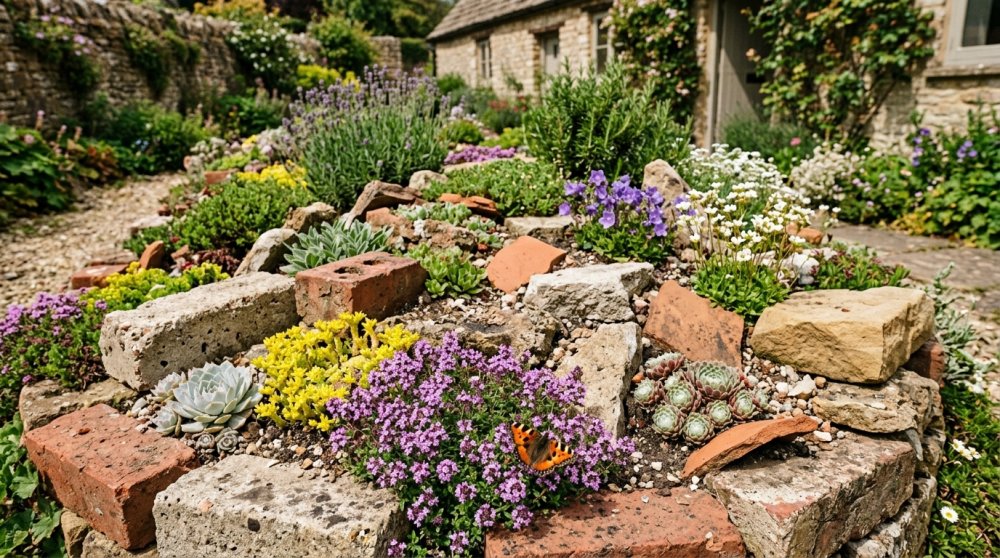
Rubble gardens are taking the gardening world by storm, and for the most adorable reason: they’re practically foolproof. These low-effort, high-reward gardens use broken materials like bricks, stones, concrete pieces, and even old pottery to create thriving spaces where beautiful plants flourish with minimal care.
The concept is beautifully simple and genuinely inspiring. By layering rubble materials to create well-drained pockets and planting hardy, drought-tolerant species, gardeners are creating gorgeous landscapes that require almost no watering, no fertilizing, and very little maintenance once established.
What makes this trend especially uplifting is how it turns potential waste into something magical. Old bricks from demolished structures, broken concrete from driveways, and chipped pottery that would otherwise end up in landfills are being given new life as the foundation for vibrant garden ecosystems.
The plants that thrive in rubble gardens are naturally resilient beauties. Alpine plants, succulents, Mediterranean herbs like thyme and oregano, and wildflowers adapted to rocky conditions absolutely love these environments.
They nestle into the crevices between stones, their roots finding moisture and nutrients in unexpected places, creating a tapestry of colors and textures that looks effortlessly stunning.
Even better? These gardens are incredible for local wildlife. The nooks and crannies in rubble gardens provide perfect homes for beneficial insects, while the flowers attract butterflies, bees, and other pollinators.
It’s a wholesome win-win: gardeners get a beautiful, low-maintenance space, and nature gets a helping hand.
For beginners worried about getting it wrong, here’s the beautiful truth: rubble gardens are remarkably forgiving. Start by selecting a sunny spot and laying down your rubble materials in varying sizes, creating different levels and pockets.
Add a mix of gritty soil and compost to the gaps, then tuck in your plants. Water them in initially, and then… that’s pretty much it.
The rubble provides excellent drainage, preventing root rot and creating the lean, well-drained conditions that many beautiful plants actually prefer. It’s the gardening equivalent of working smarter, not harder, and the results are genuinely breathtaking.
What’s particularly touching is how this trend is making gardening accessible to people who thought they didn’t have the time, money, or skills. Using free or inexpensive materials and choosing plants that practically take care of themselves, anyone can create a stunning outdoor space.
As one enthusiastic rubble gardener shared, the approach transforms how we think about both gardening and waste, turning limitations into creative opportunities that benefit everyone.
This feel-good gardening movement is proof that sometimes the most beautiful solutions come from the simplest ideas. By embracing rubble gardens, we’re not just creating lovely spaces—we’re practicing sustainability, supporting wildlife, and discovering that resilience and beauty often grow in the most unexpected places.

-

 Cute Animals3 years ago
Puppy Love Patrol: Service Dog Swoons Over K9 Officer Neighbor
-
 Cute Animals3 years ago
Hugs, Hooves, and Happiness: Newborn Donkey Steals Hearts by Demanding Affection [Video]
-

 Cute Animals3 years ago
WATCH: A German Shepherd’s Surprising Parenting Instinct for Lost Ducklings!
-

 Cute Animals3 years ago
Petty Pup Pulls Off Hilarious Bone Heist [Video]
-

 Cute Animals3 years ago
“Pure Love”: Adopted Rescue Dog Can’t Hide How Grateful He Is [Video]
-

 Heroes3 years ago
A Lost Dog’s Bark Leads to a Lifesaving Discovery
-

 Cute Animals3 years ago
Tiny but Mighty: Cat with Dwarfism Becomes Internet Star as Owners Adapt Backyard for Her Comfort
-

 Cute Animals3 years ago
Adorable Puppy Steals Hearts After a Tiring Swim [Video]