Smile
Sunken Treasure Mystery From 1633 Finally Solved—The Discovery Will Leave You Speechless

Quick Smiles:
- 30-year maritime mystery finally cracked—400-year-old Dutch trading vessel identified off England’s coast
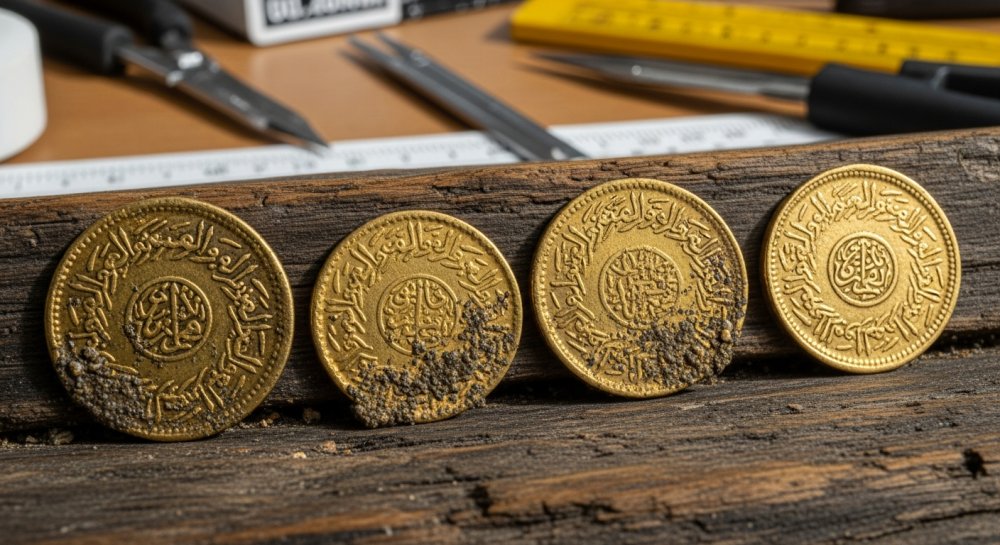
- Hundreds of precious Moroccan gold coins recovered from historic 1633 shipwreck
- Underwater archaeologists piece together fascinating tale of doomed voyage from North Africa to Netherlands
After three decades of intrigue, marine archaeologists have finally solved one of Britain’s most captivating underwater mysteries. A centuries-old shipwreck discovered off the Devon coast, complete with a stunning cache of gold coins, has been positively identified as the Dutch merchant vessel ‘Dom van Keulen’—ending 30 years of speculation about the ship’s origins.
The remarkable vessel sailed from Morocco bound for the Netherlands in the autumn of 1633, carrying a precious cargo that would remain hidden beneath the waves for nearly four centuries. Researchers have now pieced together the dramatic story of this ill-fated voyage using modern archaeological techniques and historical records.
The discovery represents a significant breakthrough in maritime history. When divers first located the wreck three decades ago, the ship’s identity remained a tantalizing puzzle despite the recovery of hundreds of gold coins of Moroccan origin.
Through painstaking research combining artifact analysis, historical shipping records, and advanced underwater survey technology, experts from South West Maritime Archaeology finally connected all the pieces. The gold coins themselves proved instrumental—their distinctive Moroccan minting helped narrow down the timeframe and likely trade routes.
The Dom van Keulen’s journey from North Africa was part of the flourishing 17th-century trade networks connecting Europe with Mediterranean and North African ports. Dutch merchant vessels regularly transported valuable goods including precious metals, spices, and textiles across these maritime highways.
What makes this discovery particularly heartwarming for history enthusiasts is how it demonstrates the power of perseverance in archaeological research. Despite the passage of 30 years since the wreck’s initial discovery, dedicated researchers never gave up on solving the mystery.
The identification opens exciting new chapters for understanding 17th-century maritime trade, Dutch-Moroccan commercial relations, and the hazardous conditions sailors faced navigating England’s treacherous southern coastline. Each artifact recovered tells part of a larger human story—of merchants, sailors, and the risks they took crossing the seas.
For maritime archaeology, this represents a triumph of modern research methods combined with old-fashioned detective work. The breakthrough will likely inspire renewed interest in other unsolved shipwreck mysteries around Britain’s coastline.

-

 Cute Animals3 years ago
Puppy Love Patrol: Service Dog Swoons Over K9 Officer Neighbor
-
 Cute Animals3 years ago
Hugs, Hooves, and Happiness: Newborn Donkey Steals Hearts by Demanding Affection [Video]
-

 Cute Animals3 years ago
WATCH: A German Shepherd’s Surprising Parenting Instinct for Lost Ducklings!
-

 Cute Animals3 years ago
Petty Pup Pulls Off Hilarious Bone Heist [Video]
-

 Cute Animals3 years ago
“Pure Love”: Adopted Rescue Dog Can’t Hide How Grateful He Is [Video]
-

 Heroes3 years ago
A Lost Dog’s Bark Leads to a Lifesaving Discovery
-

 Cute Animals3 years ago
Tiny but Mighty: Cat with Dwarfism Becomes Internet Star as Owners Adapt Backyard for Her Comfort
-

 Cute Animals3 years ago
Adorable Puppy Steals Hearts After a Tiring Swim [Video]