Heroes
This Remote Island Nation Just Pulled Off a Miraculous 92% Drop in Malaria Deaths — And It’ll Restore Your Faith in Public Health

Quick Smiles:
- Papua New Guinea slashed malaria deaths by 92% using only current prevention and treatment methods — no vaccine needed
- Death rate plummeted from 13 per 100,000 people to just 1, saving countless lives across remote island communities
- Success story proves simple, accessible health interventions can create miraculous outcomes when implemented with dedication
In a stunning public health triumph that will warm your heart, Papua New Guinea has achieved what many thought impossible — reducing malaria deaths by an incredible 92% using only existing prevention, testing, and treatment methods.
The remote Pacific island nation, which accounts for roughly 90% of all malaria cases in the entire Western Pacific region, has seen its malaria death rate plummet from 13 per 100,000 inhabitants to just 1.
Lucy Dally, Papua New Guinea’s national malaria coordinator, presented this remarkable achievement that demonstrates how determined public health efforts can create miraculous, life-saving results even in the most challenging environments.
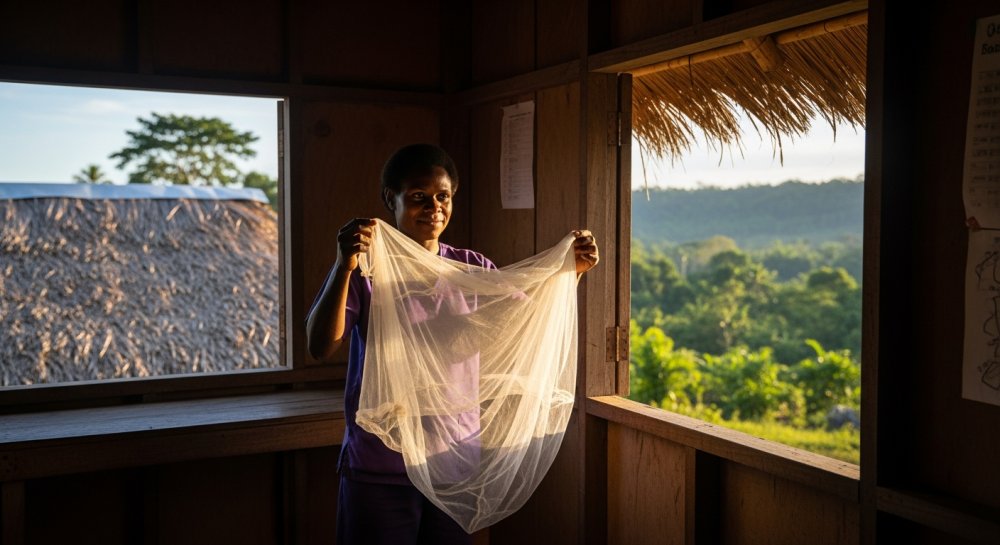
The success story is particularly uplifting because it relied entirely on accessible, proven interventions rather than waiting for new vaccines or cutting-edge technology. Through dedicated use of mosquito nets, rapid testing, and timely treatment with existing medications, health workers across PNG’s remote villages and islands created a transformation that’s saving thousands of lives.
This wholesome victory shows what’s possible when communities, health workers, and government officials work together toward a common goal. For families across Papua New Guinea, it means children growing up healthier, parents able to work and provide for their loved ones, and entire communities freed from the devastating grip of a preventable disease.
The dramatic reduction in deaths represents not just statistics, but real people — mothers, fathers, children, and elders — who are alive today because of persistent, compassionate public health efforts.
This inspiring achievement offers hope for other malaria-affected regions worldwide, proving that with dedication and proper implementation of existing tools, even the most daunting health challenges can be overcome.

-

 Cute Animals3 years ago
Puppy Love Patrol: Service Dog Swoons Over K9 Officer Neighbor
-
 Cute Animals3 years ago
Hugs, Hooves, and Happiness: Newborn Donkey Steals Hearts by Demanding Affection [Video]
-

 Cute Animals3 years ago
WATCH: A German Shepherd’s Surprising Parenting Instinct for Lost Ducklings!
-

 Cute Animals3 years ago
Petty Pup Pulls Off Hilarious Bone Heist [Video]
-

 Cute Animals3 years ago
“Pure Love”: Adopted Rescue Dog Can’t Hide How Grateful He Is [Video]
-

 Heroes3 years ago
A Lost Dog’s Bark Leads to a Lifesaving Discovery
-

 Cute Animals3 years ago
Tiny but Mighty: Cat with Dwarfism Becomes Internet Star as Owners Adapt Backyard for Her Comfort
-

 Cute Animals3 years ago
Adorable Puppy Steals Hearts After a Tiring Swim [Video]