Biz That Gives
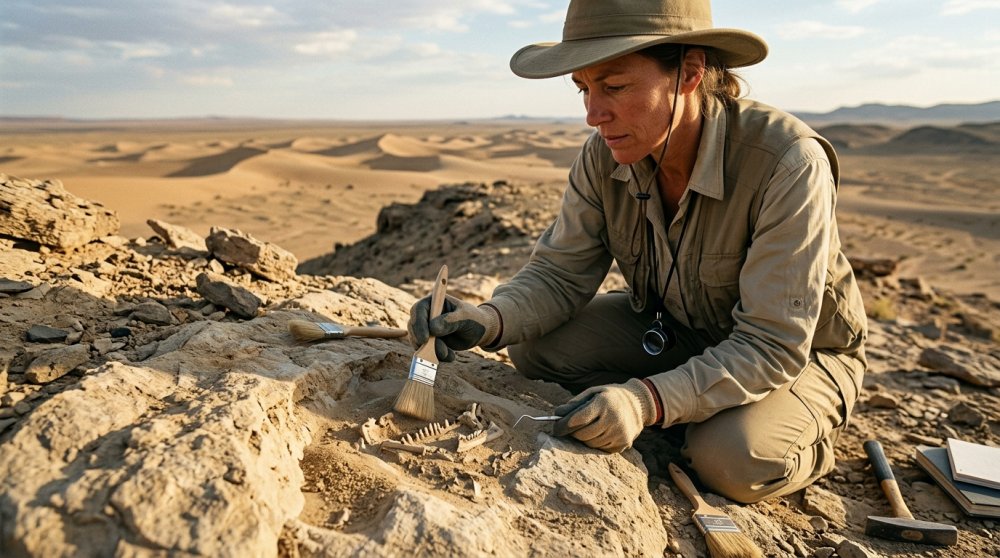
Ancient Gobi Fossil Rewrites Mammal Evolution Story

Quick Smiles:
- Scientists discover beautifully preserved fossil that unlocks new mammal history
- Teamwork among researchers reveals surprising evolutionary connections
- Discovery reminds us how nature continues to surprise and delight us
A remarkably well-preserved fossil from Mongolia’s Gobi Desert is reshaping scientists’ understanding of mammal evolution during the age of dinosaurs. The new species, described today in the journal Nature, reveals that a group of extinct mammals known as zhelestids were not close relatives of modern placental mammals as many researchers thought for decades.
Instead, they appear to represent an entirely separate branch of the mammal family tree that flourished alongside the dinosaurs. The fossil, nicknamed “Tamir” by the research team, shows remarkable detail in its tiny teeth and skeletal structure.
“This specimen is like finding a complete puzzle piece that we didn’t even know was missing,” said the lead paleontologist during the announcement. “It changes everything we thought we understood about early mammal relationships.”
The fossil was discovered by an international team working in the sun-baked sands of the Gobi. Their careful excavation work brought the delicate bones to light after millions of years underground.
“Every day in paleontology brings the possibility of rewriting the textbooks,” noted one team member. “This discovery shows that nature always has more stories to tell.”
The research opens new avenues for understanding how mammals survived and diversified during the time of the dinosaurs. Scientists are already planning additional expeditions to the Gobi region in hopes of finding more specimens.

-
 Cute Animals3 years ago
Puppy Love Patrol: Service Dog Swoons Over K9 Officer Neighbor
-
 Cute Animals3 years ago
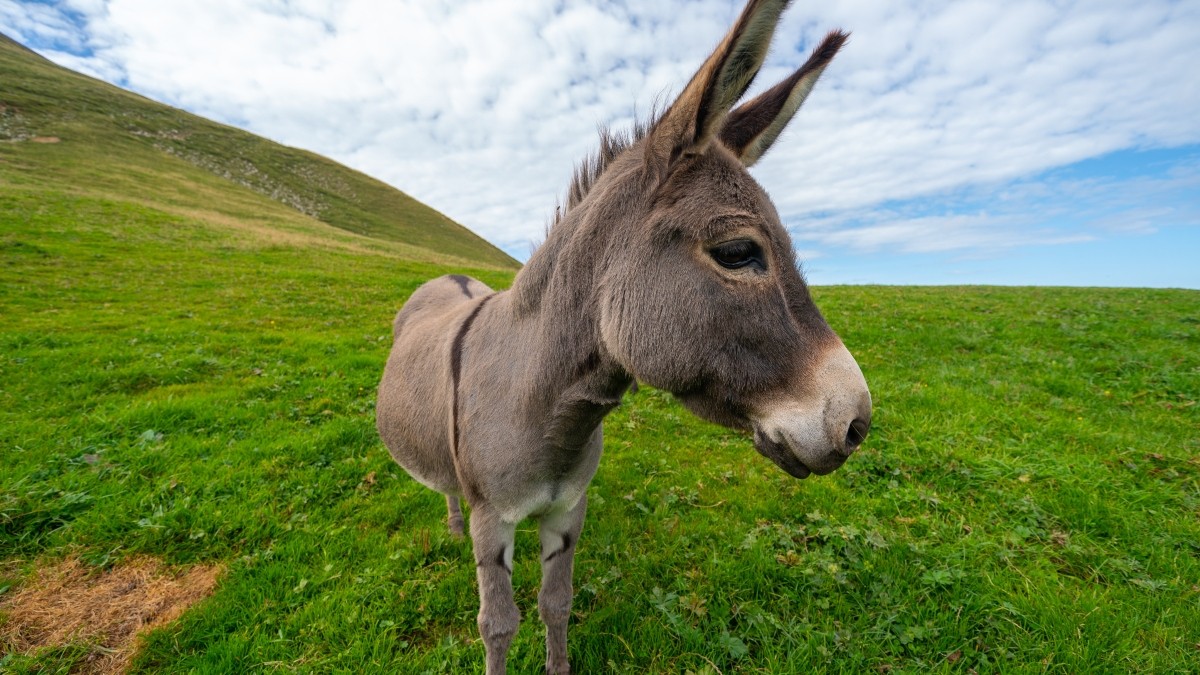
Hugs, Hooves, and Happiness: Newborn Donkey Steals Hearts by Demanding Affection [Video]
-

 Cute Animals3 years ago
WATCH: A German Shepherd’s Surprising Parenting Instinct for Lost Ducklings!
-

 Cute Animals3 years ago
Petty Pup Pulls Off Hilarious Bone Heist [Video]
-

 Cute Animals3 years ago
“Pure Love”: Adopted Rescue Dog Can’t Hide How Grateful He Is [Video]
-

 Heroes3 years ago
A Lost Dog’s Bark Leads to a Lifesaving Discovery
-
 Cute Animals3 years ago
Tiny but Mighty: Cat with Dwarfism Becomes Internet Star as Owners Adapt Backyard for Her Comfort
-

 Cute Animals3 years ago
Adorable Puppy Steals Hearts After a Tiring Swim [Video]