Cute Animals
Exciting Progress for Nature, Health, and Innovation

Quick Smiles:
- Chile advances plans for a vast national park at Cape Froward, protecting wildlife where the land meets the sea.
- Trachoma, the world’s leading infectious cause of blindness, now threatens fewer than 100 million people worldwide—a historic low.
- Scientists may unlock the mystery behind rising early-onset bowel cancer by studying decades-old tumour samples.
Chile is moving forward with plans to create Cape Froward National Park at the southern tip of the Americas, safeguarding a unique refuge for endangered wildlife such as pumas, huemul deer, and whales. The project, supported by land donations from Rewilding Chile, will establish a crucial 2,800km wildlife corridor.
In health news, the number of people needing treatment for trachoma has dropped dramatically to under 100 million, marking a 94% decrease since 2002 thanks to dedicated global efforts. Several countries across Africa and the Pacific, including Burundi and Senegal, successfully eliminated the disease in 2025.
“A 94% decrease in people at risk since 2002 is a remarkable achievement,” said Michaela Kelly, chair of the International Coalition for Trachoma Control.
Researchers in London are turning to thousands of preserved tumour samples from the 1960s to discover why rates of bowel cancer are rising among younger adults. This study aims to reveal whether changes in diet, lifestyle, or environmental factors are driving these trends.
“By performing detailed molecular analysis of bowel cancers from the 1960s and comparing the results to bowel cancers from today, we hope to identify exactly what is driving the increase in bowel cancer diagnoses in younger adults,” said Prof Trevor Graham from The Institute of Cancer Research.
Fresh ideas are emerging in the fight against climate change as an Oxford-led study finds that eliminating premium plane seats and flying only the most efficient aircraft could halve aviation emissions. Increasing passenger loads and optimizing efficiency now could make a major difference without waiting for new fuels.
“Our results clearly show that efficiency-focused policy could swiftly reduce aviation emissions by more than half, without reducing flight numbers or waiting for future fuels,” said Dr Milan Klöwer of the University of Oxford.
Australian researchers have developed a technique to recover silver from used solar panels using only water, offering a greener solution to solar panel recycling and promising better use of precious resources.
Every week brings more reasons to be hopeful—nature is being protected, health is improving worldwide, and innovation is solving challenges for people and the planet. Stay tuned for more good news!

-

 Cute Animals3 years ago
Puppy Love Patrol: Service Dog Swoons Over K9 Officer Neighbor
-
 Cute Animals3 years ago
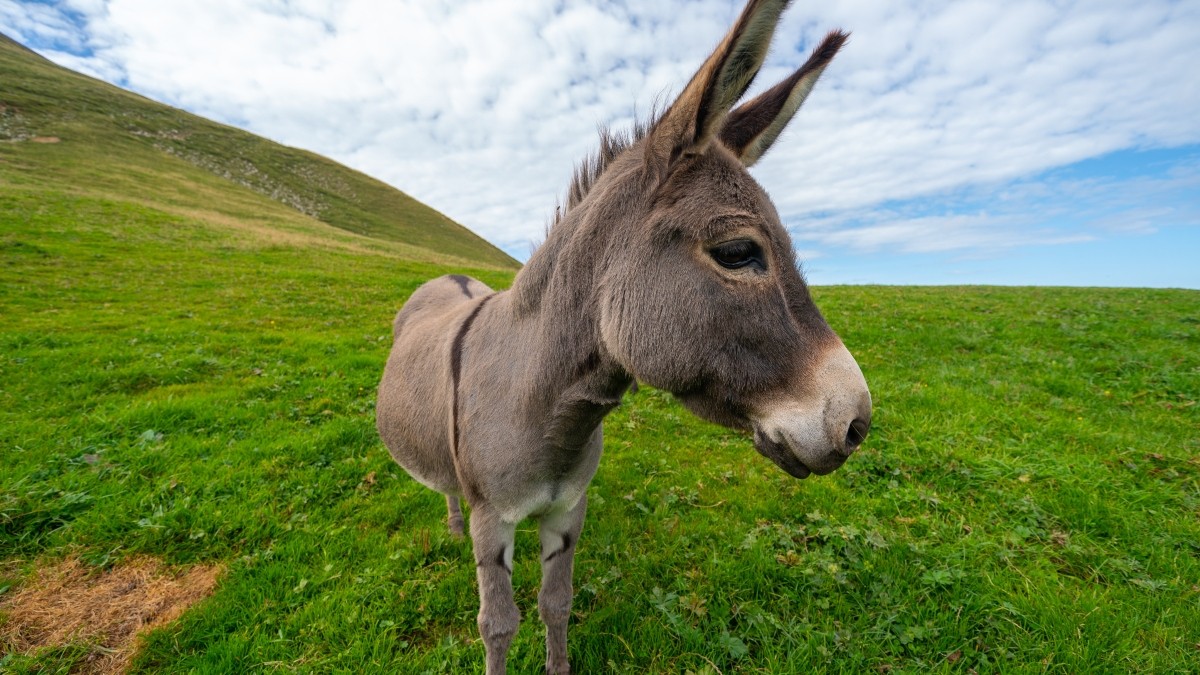
Hugs, Hooves, and Happiness: Newborn Donkey Steals Hearts by Demanding Affection [Video]
-

 Cute Animals3 years ago
WATCH: A German Shepherd’s Surprising Parenting Instinct for Lost Ducklings!
-

 Cute Animals3 years ago
Petty Pup Pulls Off Hilarious Bone Heist [Video]
-

 Cute Animals3 years ago
“Pure Love”: Adopted Rescue Dog Can’t Hide How Grateful He Is [Video]
-

 Heroes3 years ago
A Lost Dog’s Bark Leads to a Lifesaving Discovery
-

 Cute Animals3 years ago
Tiny but Mighty: Cat with Dwarfism Becomes Internet Star as Owners Adapt Backyard for Her Comfort
-

 Cute Animals3 years ago
Adorable Puppy Steals Hearts After a Tiring Swim [Video]