Cute Animals
Scientists Just Discovered a Game-Changing Way to Save Dolphins—and It’s Surprisingly Simple

Quick Smiles:
- Breakthrough ocean DNA technology now monitors dolphin populations without disturbing them
- Simple seawater samples reveal vital health information to help protect these beloved marine mammals
- Conservation efforts just got a powerful new tool that’s easier, faster, and more accurate than ever before
Scientists have achieved a remarkable breakthrough that could transform how we protect one of the ocean’s most beloved creatures. Using nothing more than seawater samples, researchers can now monitor the health and vitality of dolphin populations—a first in marine conservation history.
For years, DNA sampling from seawater could only tell scientists whether a species was present in an area. But this new advancement goes much further, providing detailed information about population health, genetic diversity, and conservation status—all without disturbing a single dolphin.
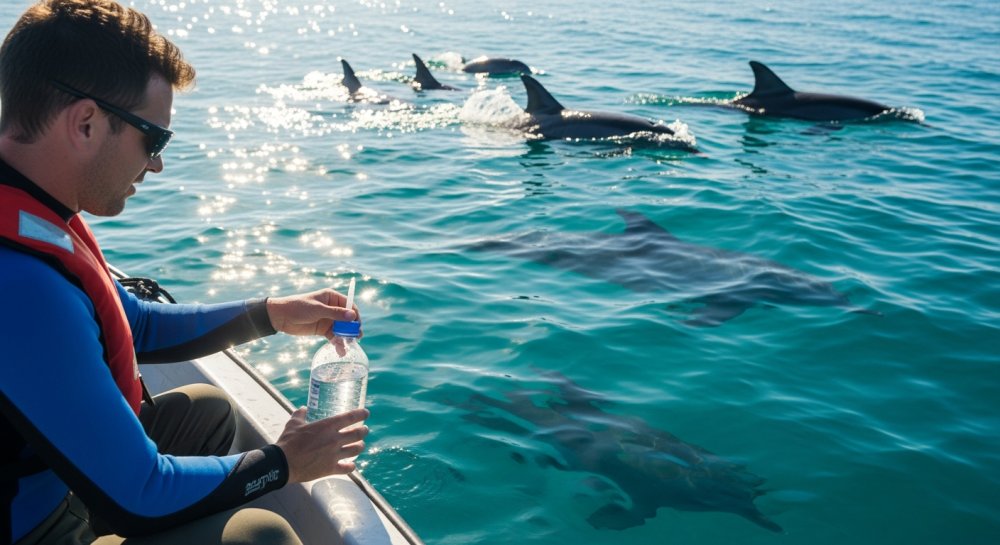
The breakthrough comes from American researchers who’ve developed a revolutionary technique that extracts and analyzes environmental DNA (eDNA) floating freely in ocean waters. When dolphins swim through the sea, they naturally shed skin cells, mucus, and other biological materials that contain their genetic information.
By collecting and studying these microscopic traces, scientists can now gather the same critical biodiversity data that previously required invasive procedures or lengthy observation studies. This means less stress for dolphin populations and more efficient monitoring for conservation teams.
The implications are huge for marine biology and wildlife protection. Traditional methods of tracking dolphin health often involved capturing animals for examination, tagging them for long-term studies, or conducting extensive field observations—all time-consuming and potentially stressful approaches.
Now, a simple water sample can reveal population size estimates, genetic diversity levels, family group structures, and even signs of disease or environmental stress. This information is invaluable for creating targeted conservation strategies and responding quickly to threats.
The technique is already proving its worth in coastal waters where dolphin populations face increasing pressures from human activity, pollution, and climate change. Scientists can now conduct regular health check-ups on entire populations with minimal resources and maximum efficiency.
What makes this development even more exciting is its potential application to other marine mammals and endangered species worldwide. The same principles could help monitor whales, seals, manatees, and countless other ocean creatures that are difficult to study using conventional methods.
For conservation organizations working with limited budgets, this represents a game-changing tool. Instead of expensive equipment and lengthy expeditions, they can now gather critical data quickly and affordably, allowing resources to be redirected toward protection and habitat restoration efforts.
The research marks a new chapter in our relationship with the ocean and its inhabitants. As we develop smarter, gentler ways to understand and protect marine life, we move closer to a future where humans and dolphins can thrive together in healthier, more vibrant seas.
This breakthrough reminds us that sometimes the most powerful solutions are also the simplest—and that our commitment to protecting nature continues to inspire ingenious innovations that benefit both wildlife and humanity.

-

 Cute Animals3 years ago
Puppy Love Patrol: Service Dog Swoons Over K9 Officer Neighbor
-
 Cute Animals3 years ago
Hugs, Hooves, and Happiness: Newborn Donkey Steals Hearts by Demanding Affection [Video]
-

 Cute Animals3 years ago
WATCH: A German Shepherd’s Surprising Parenting Instinct for Lost Ducklings!
-

 Cute Animals3 years ago
Petty Pup Pulls Off Hilarious Bone Heist [Video]
-

 Cute Animals3 years ago
“Pure Love”: Adopted Rescue Dog Can’t Hide How Grateful He Is [Video]
-

 Heroes3 years ago
A Lost Dog’s Bark Leads to a Lifesaving Discovery
-

 Cute Animals3 years ago
Tiny but Mighty: Cat with Dwarfism Becomes Internet Star as Owners Adapt Backyard for Her Comfort
-

 Cute Animals3 years ago
Adorable Puppy Steals Hearts After a Tiring Swim [Video]