Heroes
Bacteria Turn Plastic Waste into Painkillers: A Green Revolution!

Quick Smiles:
- Bacteria can transform plastic bottles into a key component of common painkillers.
- This innovation hints at a greener future for recycling and medicine production.
- Microorganisms could revolutionize how we view waste and chemical manufacturing.
In an exciting development from Scotland, scientists have engineered bacteria to convert plastic into a precursor for the well-known painkiller acetaminophen, also called paracetamol.
Although this process isn’t yet ready for large-scale application, it represents a promising step toward more sustainable production and recycling methods.
Typically, acetaminophen is produced using fossil fuels, contributing to environmental pollution. The breakthrough involves the precursor compound, para-aminobenzoic acid (PABA), which can naturally be produced by Escherichia coli bacteria.
However, in this study, the bacteria were genetically modified to remove this ability.
To achieve the transformation, the bacteria performed a Lossen rearrangement, a process that converts a nitrogen-bearing molecule from the environment into PABA.
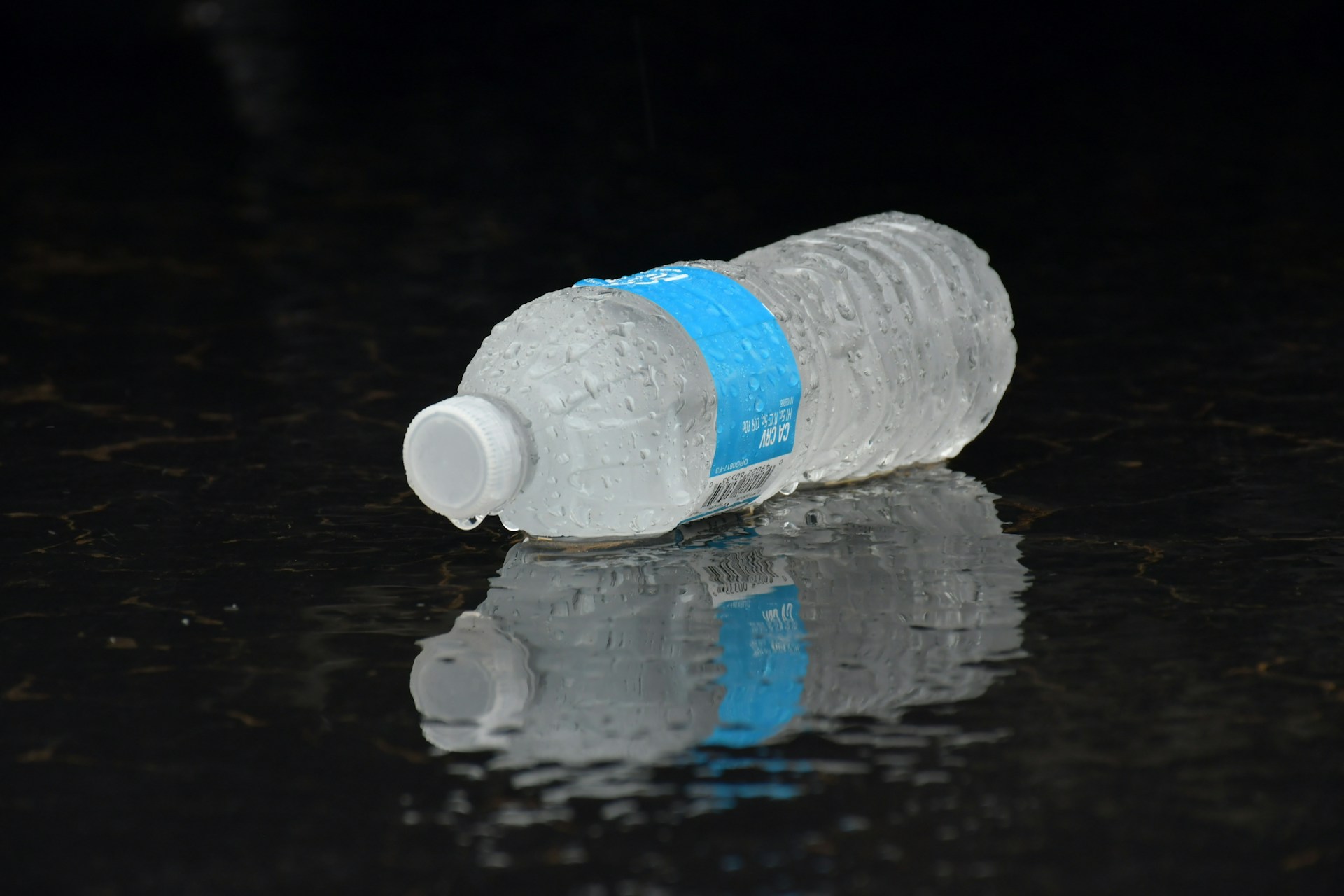
The chosen molecule for this transformation was polyethylene terephthalate (PET), a common plastic polymer found in water bottles and packaging.
Every year, 350 million tons of PET become waste and pollution. Remarkably, at room temperature, 92% of the PET was converted by the engineered bacteria into PABA within 48 hours.
This conversion is significant as PABA is a precursor not only to acetaminophen but also to vitamin B9, or folic acid.
Professor Stephen Wallace, a UKRI Future Leaders Fellow and Chair of Chemical Biotechnology, emphasized the potential of this discovery.
“This work demonstrates that PET plastic isn’t just waste or a material destined to become more plastic, it can be transformed by microorganisms into valuable new products, including those with potential for treating disease,” he explained.
The typical factories producing these medications often rely on fossil fuels, but this bacterial process was achieved without any detectable carbon emissions.
Moreover, the PET plastic was effectively recycled in the solution.
Wallace further noted, “Based on what we’ve seen, it’s highly likely that many—or even most—bacteria can perform these kinds of transmutations. This opens up a whole new way of thinking about how we might use microbes as tiny chemical factories.”
This innovative approach could redefine our relationship with waste and chemical production, offering a glimpse into a future where microorganisms play a crucial role in sustainable development.

-
 Cute Animals3 years ago
Puppy Love Patrol: Service Dog Swoons Over K9 Officer Neighbor
-
 Cute Animals3 years ago
Hugs, Hooves, and Happiness: Newborn Donkey Steals Hearts by Demanding Affection [Video]
-

 Cute Animals3 years ago
WATCH: A German Shepherd’s Surprising Parenting Instinct for Lost Ducklings!
-

 Cute Animals3 years ago
Petty Pup Pulls Off Hilarious Bone Heist [Video]
-

 Cute Animals3 years ago
“Pure Love”: Adopted Rescue Dog Can’t Hide How Grateful He Is [Video]
-

 Heroes3 years ago
A Lost Dog’s Bark Leads to a Lifesaving Discovery
-

 Cute Animals3 years ago
Tiny but Mighty: Cat with Dwarfism Becomes Internet Star as Owners Adapt Backyard for Her Comfort
-

 Cute Animals3 years ago
Adorable Puppy Steals Hearts After a Tiring Swim [Video]