Cute Animals
Milestone Week for Nature and Innovation

Quick Smiles:
- The Global Ocean Treaty became law, offering historic protection for international waters.
- Millions more children receive free school meals, supporting health and education worldwide.
- Scientists achieved a breakthrough in treating Huntington’s disease, giving fresh hope to families.
This week saw memorable progress in environmental protection, children’s wellbeing, and medical science. Nations, researchers, and communities continue to inspire with positive, lasting change.
This new chapter for the high seas lifts the spirits of campaigners and scientists who dedicated years to global conservation. The Global Ocean Treaty’s arrival promises a brighter future for marine life and those who depend on it.
“This is the most significant victory for ocean protection and restoration I have ever witnessed,” said Ariana Densham of Greenpeace. “Campaigners, coastal communities, small-scale fishers, scientists, and ocean lovers everywhere can hold on to this moment as proof that when millions of voices demand change, we can achieve what once seemed like a distant dream.”
Around the world, more than 80 million additional children now enjoy the support of daily school meals, bolstered by increased funding and government commitment. Low-income countries have seen the highest growth in programme reach, boosting student health and small-scale farming.
“School meals are so much more than just a plate of nutritious food – important as that is,” said WFP executive director Cindy McCain. “They are proven to be one of the smartest, most cost-effective investments any nation can make to improve the long-term health, education and economic prosperity of future generations.”
For families facing Huntington’s disease, a life-changing gene therapy has brought renewed hope. Scientists at University College London slowed the illness in most trial participants, marking an unprecedented leap forward in neurodegenerative disease care.
“This result changes everything,” said Prof Ed Wild of UCL’s Huntington’s Disease Centre. “On the basis of these results, it seems likely AMT-130 will be the first licensed treatment to slow Huntington’s disease, which is truly world-changing.”
Italy set a new standard with its AI law, pioneering safety and responsibility in technology use ahead of its European peers. The country’s rules offer protection and oversight, especially for young people and creative content.
Meanwhile, Australia announced the creation of the Great Koala national park, safeguarding 12,000 endangered koalas and countless other species across a vast new protected area. This achievement is the result of dedicated community and advocacy efforts.
Stay inspired every Saturday—our handpicked stories will remind you of the power of progress and hope in action.

-

 Cute Animals3 years ago
Puppy Love Patrol: Service Dog Swoons Over K9 Officer Neighbor
-
 Cute Animals3 years ago
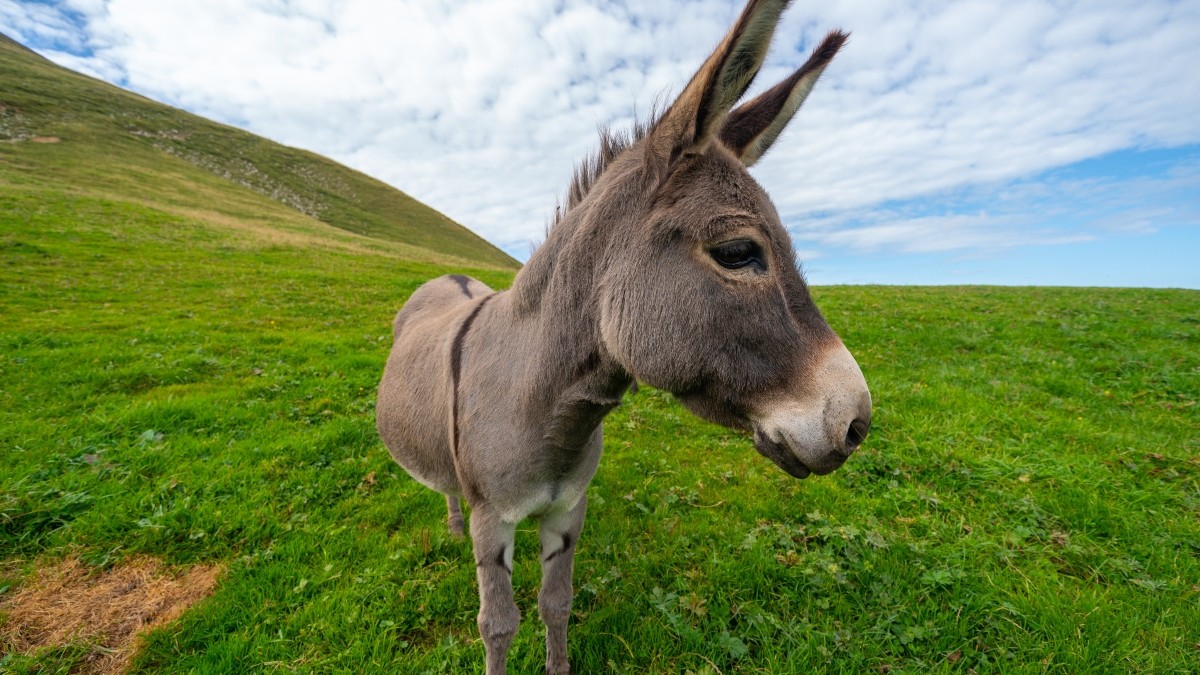
Hugs, Hooves, and Happiness: Newborn Donkey Steals Hearts by Demanding Affection [Video]
-

 Cute Animals3 years ago
WATCH: A German Shepherd’s Surprising Parenting Instinct for Lost Ducklings!
-

 Cute Animals3 years ago
Petty Pup Pulls Off Hilarious Bone Heist [Video]
-

 Cute Animals3 years ago
“Pure Love”: Adopted Rescue Dog Can’t Hide How Grateful He Is [Video]
-

 Heroes3 years ago
A Lost Dog’s Bark Leads to a Lifesaving Discovery
-
 Cute Animals3 years ago
Tiny but Mighty: Cat with Dwarfism Becomes Internet Star as Owners Adapt Backyard for Her Comfort
-

 Cute Animals3 years ago
Adorable Puppy Steals Hearts After a Tiring Swim [Video]