Smile
New Fossil Discovery Solves a Century-Old Evolution Riddle

Quick Smiles:
- Lystrosaurus was a resilient survivor that dominated the planet after a major mass extinction.
- Soft-shelled eggs likely helped protect embryos from drying out in harsh prehistoric climates.
- The discovery offers fresh insight into how ancient species adapted and endured global changes.
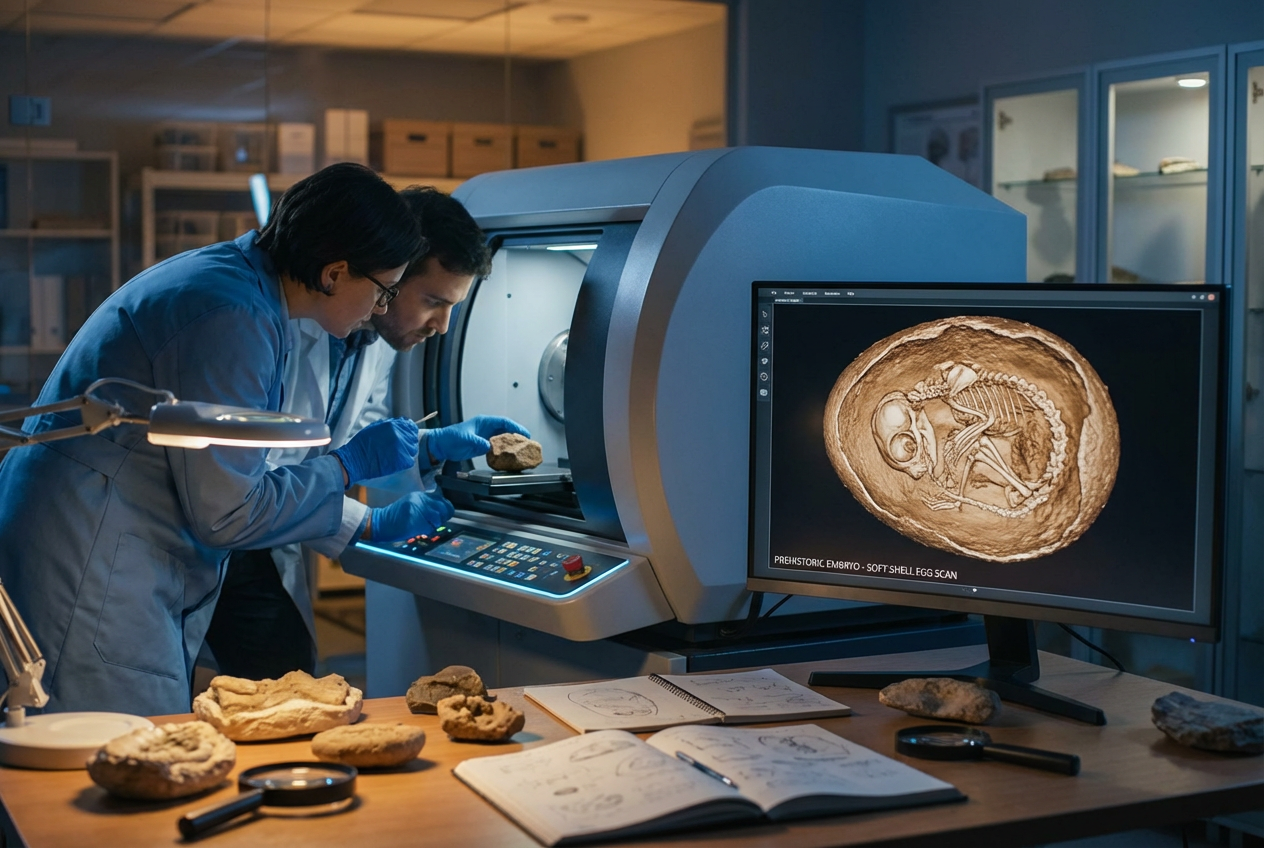
A remarkable scientific mystery has finally been solved through the discovery of a 250-million-year-old embryo. Researchers identified the first-ever fossilized egg of a mammal ancestor, a hardy plant-eater known as Lystrosaurus.
This unique find confirms that the ancient ancestors of modern mammals laid soft-shelled eggs to reproduce. These delicate shells rarely fossilize, which explains why they remained hidden from scientists for over a century.
Using advanced X-ray technology, an international team of researchers peered inside a small stone nodule found in South Africa. They discovered a perfectly curled hatchling with tiny bones that were not yet fused together.
“The fact that this fusion had not yet occurred shows that the individual would have been incapable of feeding itself,” noted Professor Julien Benoit.
This evidence proves the creature died before it could hatch from its egg.
The study suggests these eggs were large and nutrient-rich, allowing young animals to be born at an advanced stage. This reproductive strategy helped the species thrive during a period of extreme environmental instability and droughts.
“For over 150 years of South African paleontology, no fossil had ever been conclusively identified as a therapsid egg,” explained Professor Jennifer Botha.
She noted that this discovery marks a true milestone in understanding the origins of mammalian life on Earth.
This breakthrough provides a fascinating look at the deep history of life and the incredible strategies used by ancient survivors. It celebrates the persistence of life and the amazing tools modern science uses to uncover our planet’s secrets.

-
 Cute Animals3 years ago
Puppy Love Patrol: Service Dog Swoons Over K9 Officer Neighbor
-
 Cute Animals3 years ago
Hugs, Hooves, and Happiness: Newborn Donkey Steals Hearts by Demanding Affection [Video]
-

 Cute Animals3 years ago
WATCH: A German Shepherd’s Surprising Parenting Instinct for Lost Ducklings!
-

 Cute Animals3 years ago
Petty Pup Pulls Off Hilarious Bone Heist [Video]
-

 Cute Animals3 years ago
“Pure Love”: Adopted Rescue Dog Can’t Hide How Grateful He Is [Video]
-

 Heroes3 years ago
A Lost Dog’s Bark Leads to a Lifesaving Discovery
-
 Cute Animals3 years ago
Tiny but Mighty: Cat with Dwarfism Becomes Internet Star as Owners Adapt Backyard for Her Comfort
-

 Cute Animals3 years ago
Adorable Puppy Steals Hearts After a Tiring Swim [Video]