Smile
Stanford Cures Diabetes in Mice Effortlessly

Quick Smiles:
- Stanford team cured type-1 diabetes in mice using islet cells and blood stem cells from a healthy donor.
- No insulin injections or immune suppression needed for six months, with zero rejections.
- Hybrid immune system prevented attacks, sparking hope for human autoimmune treatments.
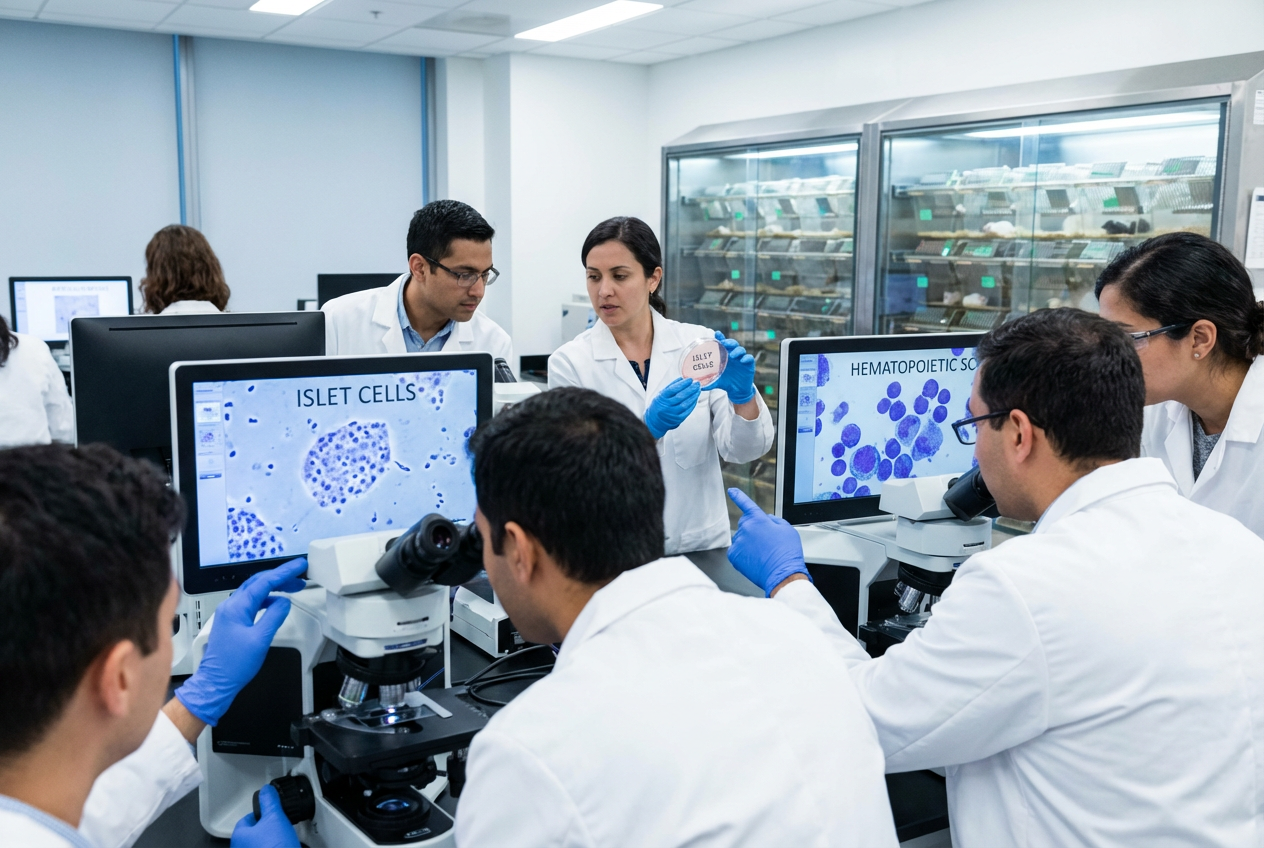
Stanford Medicine researchers achieved a breakthrough by curing type-1 diabetes in mice through a double-transplant of pancreatic islet cells and hematopoietic stem cells, far surpassing expectations.
This innovative approach created a hybrid immune system blending donor and recipient cells, restoring normal function without side effects in all 19 newly diagnosed and 9 long-term diabetic mice.
“The possibility of translating these findings into humans is very exciting,” said Seung Kim, MD, PhD, multidisciplinary professor at Stanford University.
“The key steps in our study—which result in animals with a hybrid immune system containing cells from both the donor and the recipient—are already being used in the clinic for other conditions. We believe this approach will be transformative for people with type 1 diabetes or other autoimmune diseases, as well as for those who need solid organ transplants.”
“Just like in human type 1 diabetes, the diabetes that occurs in these mice results from an immune system that spontaneously attacks the insulin-producing beta cells in pancreatic islets,” Kim said. “We need to not only replace the islets that have been lost but also reset the recipient’s immune system to prevent ongoing islet cell destruction. Creating a hybrid immune system accomplishes both goals.”
Celebrate these hopeful strides toward diabetes-free lives—share this uplifting story and stay inspired for more positive health news!

-
 Cute Animals2 years ago
Puppy Love Patrol: Service Dog Swoons Over K9 Officer Neighbor
-
 Cute Animals3 years ago
Hugs, Hooves, and Happiness: Newborn Donkey Steals Hearts by Demanding Affection [Video]
-

 Cute Animals3 years ago
WATCH: A German Shepherd’s Surprising Parenting Instinct for Lost Ducklings!
-

 Cute Animals3 years ago
Petty Pup Pulls Off Hilarious Bone Heist [Video]
-

 Heroes3 years ago
A Lost Dog’s Bark Leads to a Lifesaving Discovery
-

 Cute Animals3 years ago
“Pure Love”: Adopted Rescue Dog Can’t Hide How Grateful He Is [Video]
-
 Cute Animals3 years ago
Tiny but Mighty: Cat with Dwarfism Becomes Internet Star as Owners Adapt Backyard for Her Comfort
-

 Cute Animals3 years ago
Adorable Puppy Steals Hearts After a Tiring Swim [Video]