Biz That Gives
Tech Giant’s Wholesome Plan to Protect Families Will Make You Rethink These Tiny Creatures

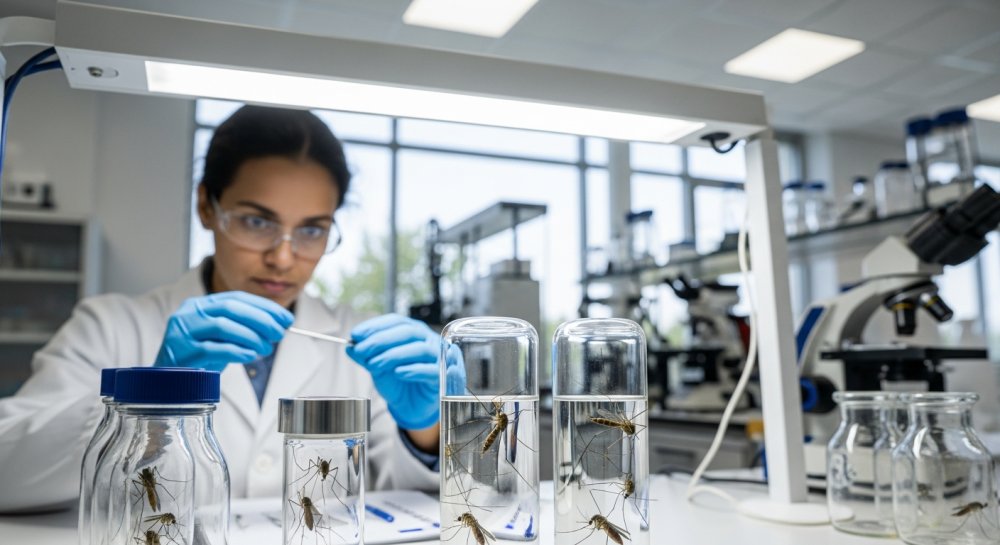
Quick Smiles:
- Google’s brilliant solution uses nature’s own system to fight disease-carrying pests without chemicals
- Male mosquitoes with special bacteria will help reduce populations of the dangerous, biting kind
- This heartwarming innovation could protect millions of families from life-threatening illnesses
Google wants to debug, but not the way that you might think. The tech giant recently applied for a permit to release 32 million mosquitoes in California and Florida.
Google’s Debug program wants to “stop bad bugs with good bugs,” and mosquitoes are the star of the show. While that sounds counterintuitive at first, the science behind it is actually quite brilliant.
According to Debug, the bad mosquitoes bite, breed, and spread diseases. The good mosquitoes don’t, and Google wants more of the non-biting, non-breeding, and non-disease-spreading kind.
“Good bugs are the same species of mosquito as the bad bugs that spread disease. Our good bugs are male mosquitoes that have a naturally occurring bacterium called Wolbachia, which makes them unable to have offspring with wild female mosquitoes.
Male mosquitoes can’t bite or spread disease, so good bugs will stop bad ones from reproducing. Over time, there will be fewer and fewer bad mosquitoes,” the website explains.
A Life-Saving Mission
Mosquito bites aren’t just itchy; they also can make us very sick, and Google wants to help stop the spread of their deadly diseases. According to the Centers for Disease Control and Prevention, mosquitoes are the deadliest creatures on the planet.
There are 3,500 species of mosquitoes that spread diseases like dengue fever, Zika, and chikungunya to millions of people every year. Google hopes to stop these nasty mosquitoes in their tracks.
“We’re currently developing our technologies and methods to target Aedes aegypti mosquitoes. This means partnering closely with scientists, communities, and governments.
Debug is off to a good start, but there is still plenty to do,” Debug explains. “We look forward to working with communities to show that by releasing enough good bugs, Debug can have a real impact on mosquito populations and disease.
Eventually, we hope to help millions of people live longer, healthier lives.”
This actually sounds like a wonderful innovation. If Google can help get rid of disease-carrying mosquitoes using nature’s own methods rather than harmful chemicals, that’s something families everywhere can feel good about.
It’s heartwarming to see technology companies investing in solutions that could protect children and vulnerable populations from serious illness. This is the kind of forward-thinking science that gives us hope for a healthier future.

-

 Cute Animals3 years ago
Puppy Love Patrol: Service Dog Swoons Over K9 Officer Neighbor
-
 Cute Animals3 years ago
Hugs, Hooves, and Happiness: Newborn Donkey Steals Hearts by Demanding Affection [Video]
-

 Cute Animals3 years ago
WATCH: A German Shepherd’s Surprising Parenting Instinct for Lost Ducklings!
-

 Cute Animals3 years ago
Petty Pup Pulls Off Hilarious Bone Heist [Video]
-

 Cute Animals3 years ago
“Pure Love”: Adopted Rescue Dog Can’t Hide How Grateful He Is [Video]
-

 Heroes3 years ago
A Lost Dog’s Bark Leads to a Lifesaving Discovery
-

 Cute Animals3 years ago
Tiny but Mighty: Cat with Dwarfism Becomes Internet Star as Owners Adapt Backyard for Her Comfort
-

 Cute Animals3 years ago
Adorable Puppy Steals Hearts After a Tiring Swim [Video]