Smile
Nature’s Miracle Workers: Tiny Wildflowers Cleaning Up Toxic Mining Sites Will Restore Your Faith in the Planet

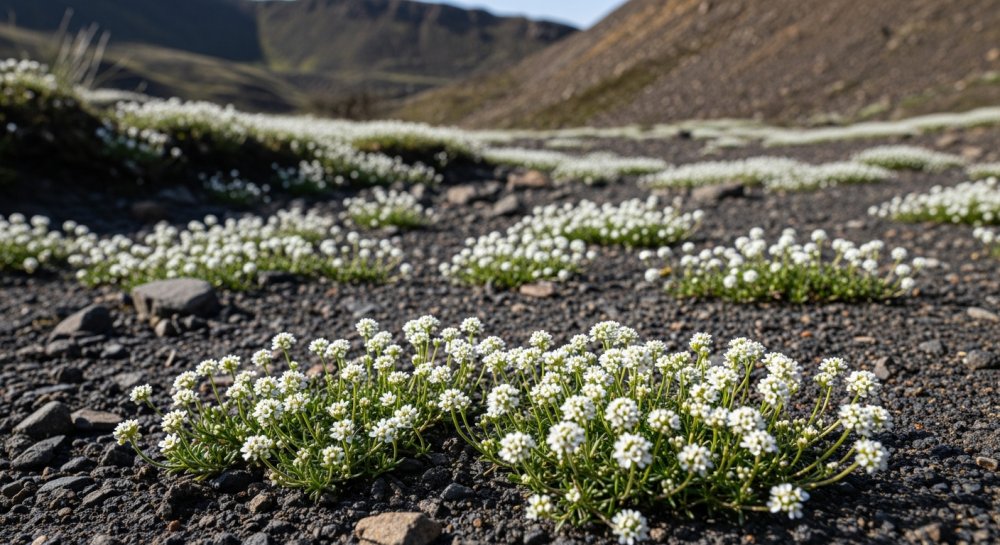
Quick Smiles:
- Special wildflowers called metallophytes are naturally cleaning up toxic lead and zinc pollution from old mining sites across Europe
- These resilient little plants transform dangerous heavy metals into harmless organic compounds while creating beautiful wildflower meadows
- Mountains once scarred by industrial mining are now bursting with colorful blooms that heal the earth
In what can only be described as nature’s own cleanup crew, a remarkable group of wildflowers is performing an environmental miracle across Europe’s former mining landscapes. These incredible plants, known as metallophytes, are thriving in soil that would kill most vegetation—and they’re actually making it clean again.
Across the rolling hills and semi-mountainous terrain of northern England and other European regions scarred by centuries of lead and zinc mining, something beautiful is happening. Where toxic soil once rendered the land barren and lifeless, vibrant carpets of wildflowers now bloom in stunning abundance.
The Guardian recently highlighted this jaw-dropping ecological phenomenon, where what appears to be pristine wildflower meadows are actually nature’s detoxification system hard at work. These specialized plants have evolved the remarkable ability to absorb heavy metals from contaminated soil and transform them into harmless organic compounds stored safely within their tissues.
Mining operations that ceased decades ago left behind a devastating legacy of lead and zinc contamination that threatened local ecosystems for generations. Traditional cleanup methods would cost millions and involve massive excavation projects.
But these hardy metallophytes volunteered for the job free of charge.
The wildflowers—including varieties of pansies, sandworts, and other resilient species—don’t just survive in these toxic conditions; they actually thrive where other plants cannot compete. Their unique biological processes pull heavy metals from the soil, effectively filtering contamination through their root systems season after season.
What makes this even more heartwarming is the dual benefit these botanical heroes provide. While quietly performing their environmental cleanup work, they’re simultaneously creating stunning wildlife habitats that support pollinators, birds, and countless other species.
Where industrial scars once marked the landscape, colorful blooms now paint hillsides in purple, yellow, and white—a living testament to nature’s incredible resilience and healing power.
Scientists studying these metallophyte communities have documented measurable reductions in soil contamination over time, proving that this natural remediation process genuinely works. The plants effectively lock away dangerous metals that would otherwise leach into groundwater or harm wildlife.
This discovery offers hope for countless contaminated sites worldwide, suggesting that patience and cooperation with nature’s own solutions might be more effective than aggressive human intervention.
The transformation of these former mining wastelands into thriving wildflower meadows stands as a beautiful reminder that even our most serious environmental mistakes can be healed—sometimes by the smallest and most unlikely heroes.

-

 Cute Animals3 years ago
Puppy Love Patrol: Service Dog Swoons Over K9 Officer Neighbor
-
 Cute Animals3 years ago
Hugs, Hooves, and Happiness: Newborn Donkey Steals Hearts by Demanding Affection [Video]
-

 Cute Animals3 years ago
WATCH: A German Shepherd’s Surprising Parenting Instinct for Lost Ducklings!
-

 Cute Animals3 years ago
Petty Pup Pulls Off Hilarious Bone Heist [Video]
-

 Cute Animals3 years ago
“Pure Love”: Adopted Rescue Dog Can’t Hide How Grateful He Is [Video]
-

 Heroes3 years ago
A Lost Dog’s Bark Leads to a Lifesaving Discovery
-

 Cute Animals3 years ago
Tiny but Mighty: Cat with Dwarfism Becomes Internet Star as Owners Adapt Backyard for Her Comfort
-

 Cute Animals3 years ago
Adorable Puppy Steals Hearts After a Tiring Swim [Video]