Smile
Ancient Seabird Guano Fueled Andean Prosperity

Quick Smiles:
- Seabird guano was key to ancient coastal farming success in Peru.
- Guano’s nutrients helped the Chincha Kingdom thrive and trade with the Inca Empire.
- Recent research highlights guano’s deep cultural significance in Andean societies.
The Islas Ballestas remain vital for seabirds and marine life, though the modern guano supply is less than in centuries past.
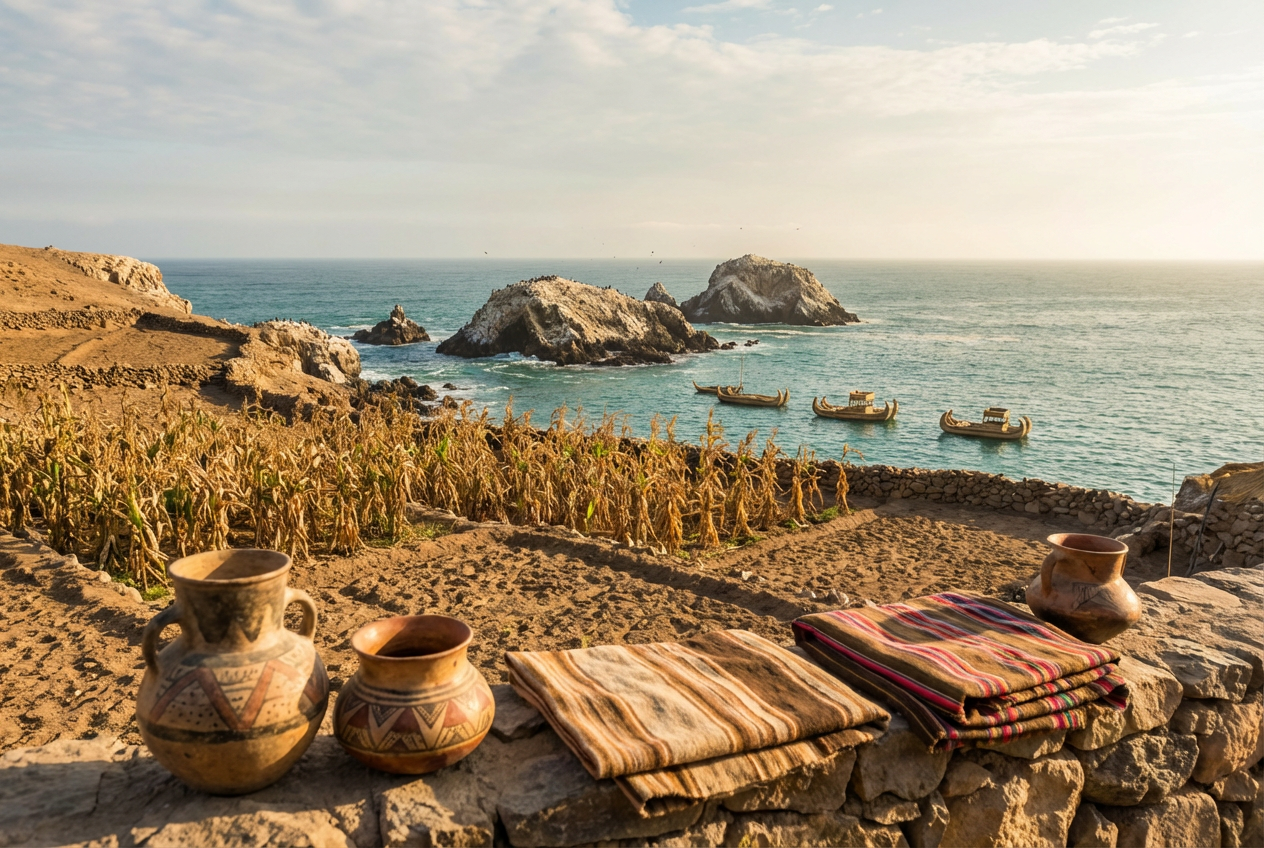
Archaeological research indicates nutrient-rich seabird guano was a driving force behind the rise of influential pre-Incan societies.
Fertilizer meant prosperity in ancient Peru, according to Dr. Jacob Bongers, as guano transformed barren soils into abundant maize fields.
“Guano dramatically boosted the production of maize (corn), and this agricultural surplus crucially helped fuel the Chincha Kingdom’s economy, driving their trade, wealth, population growth and regional influence, and shaped their strategic alliance with the Inca Empire,” Dr. Bongers said.
Dr. Bongers and his team found strikingly high nitrogen levels in maize samples from Chincha Valley tombs, confirming the use of seabird guano as fertilizer.
“The guano was most likely harvested from the nearby Chincha Islands,” Dr. Bongers explained, noting that coastal communities once sailed to collect the valuable droppings.
Iconography on ancient textiles and pottery often depicted seabirds, fish, and sprouting maize together, highlighting the crucial relationship between nature and agriculture.
“Together, the chemical and material evidence we studied confirms earlier scholarship showing that guano was deliberately collected and used as a fertilizer,” Dr. Bongers observed. “But it also points to a deeper cultural significance, suggesting people recognized the exceptional power of this fertilizer and actively celebrated, protected and even ritualized the vital relationship between seabirds and agriculture.”
The surplus supported a vibrant class of merchants and farmers, helping the Chincha people become major traders and key allies to the Inca Empire.
Maize was central to Incan society, where it was used for food and ceremonial drinks, but highland growing conditions made coastal guano-fertilized maize especially prized.
“Guano was a highly sought-after resource the Incas would have wanted access to, playing an important role in the diplomatic arrangements between the Inca and the Chincha communities,” Dr. Bongers shared.
The productive partnership expanded trade and shared prosperity across the region.
Let’s celebrate history’s ingenious use of natural resources and the enduring connections between environment, culture, and community!

-
 Cute Animals3 years ago
Puppy Love Patrol: Service Dog Swoons Over K9 Officer Neighbor
-
 Cute Animals3 years ago
Hugs, Hooves, and Happiness: Newborn Donkey Steals Hearts by Demanding Affection [Video]
-

 Cute Animals3 years ago
WATCH: A German Shepherd’s Surprising Parenting Instinct for Lost Ducklings!
-

 Cute Animals3 years ago
Petty Pup Pulls Off Hilarious Bone Heist [Video]
-

 Heroes3 years ago
A Lost Dog’s Bark Leads to a Lifesaving Discovery
-

 Cute Animals3 years ago
“Pure Love”: Adopted Rescue Dog Can’t Hide How Grateful He Is [Video]
-
 Cute Animals3 years ago
Tiny but Mighty: Cat with Dwarfism Becomes Internet Star as Owners Adapt Backyard for Her Comfort
-

 Cute Animals3 years ago
Adorable Puppy Steals Hearts After a Tiring Swim [Video]