Heroes
260 Everyday Heroes Just Made History in England – And Ocean Life Is Already Celebrating

Quick Smiles:
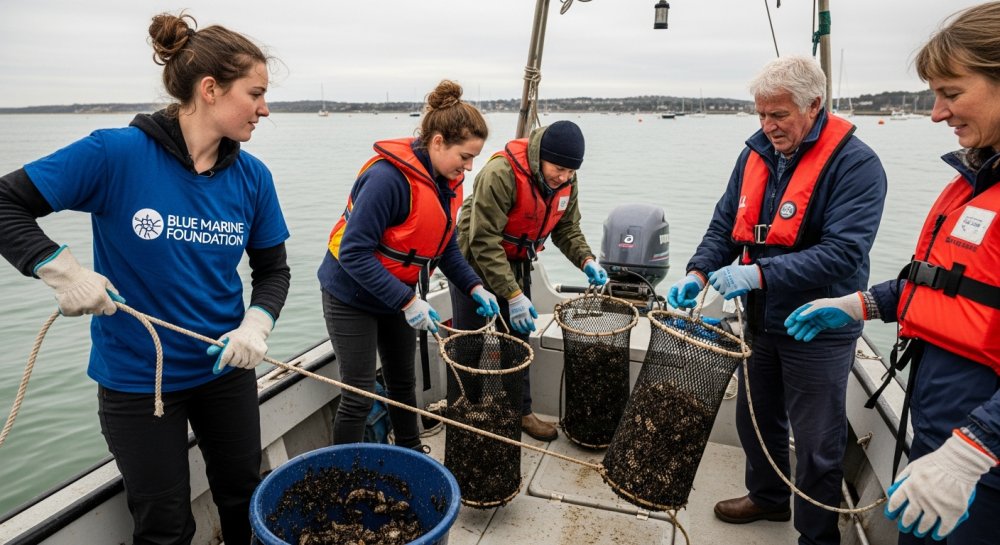
- 260 volunteers united for the UK’s largest oyster reef restoration, bringing 20,000 oysters home to Portsmouth waters
- Historic oyster reefs are being rebuilt after centuries of decline, creating thriving underwater havens for marine life
- Community-powered conservation proves ordinary people can make extraordinary environmental comebacks happen
Last week, something beautiful happened off the coast of Portsmouth, England. Over 260 volunteers gathered at Chichester Harbor with a mission that would make any nature lover’s heart soar: returning 20,000 native oysters to their ancestral waters.
This wasn’t just a feel-good weekend project. Conservation groups are calling it the UK’s largest subtidal oyster reef restoration project ever attempted – a stunning example of what communities can accomplish when they come together for the planet.
For centuries, native oysters thrived in these waters, forming bustling underwater reefs that served as nurseries for countless fish species, filtered the water, and supported entire coastal ecosystems. But overharvesting, pollution, and habitat loss had reduced these once-thriving populations to a shadow of their former glory.
Now, thanks to the dedication of everyday heroes – families, students, retirees, and ocean enthusiasts – that’s changing. The Solent Seascape Project coordinated this massive restoration effort, carefully placing thousands of oysters onto specially prepared reef structures on the harbor floor.
Each oyster is a tiny environmental superhero. A single oyster can filter up to 200 liters of water per day, removing excess nutrients and improving water clarity for seagrasses and other marine life. As these reefs grow and mature, they’ll become vibrant hubs of biodiversity – safe havens where juvenile fish can hide from predators and marine species can flourish.
The volunteers didn’t just drop oysters and leave. They learned about marine conservation, witnessed restoration science in action, and left knowing they’d personally contributed to healing an entire ecosystem. Many participants described the experience as life-changing, a tangible reminder that environmental recovery is possible when people take action.
Marine biologists monitoring the project are already reporting encouraging signs. The oysters are settling well into their new homes, and early observations show increased activity from crabs, small fish, and other creatures already discovering the restored habitat.
This restoration represents more than just bringing back oysters. It’s about reconnecting communities to their coastal heritage, inspiring the next generation of ocean stewards, and proving that even after centuries of environmental damage, nature can bounce back with a helping hand.
The project organizers hope this massive volunteer turnout will inspire similar restoration efforts across the UK’s coastline, where many historic oyster beds remain depleted. With community enthusiasm this strong, the future of England’s coastal waters is looking brighter – and more biodiverse – than it has in generations.

-
 Cute Animals3 years ago
Puppy Love Patrol: Service Dog Swoons Over K9 Officer Neighbor
-
 Cute Animals3 years ago
Hugs, Hooves, and Happiness: Newborn Donkey Steals Hearts by Demanding Affection [Video]
-

 Cute Animals3 years ago
WATCH: A German Shepherd’s Surprising Parenting Instinct for Lost Ducklings!
-

 Cute Animals3 years ago
Petty Pup Pulls Off Hilarious Bone Heist [Video]
-

 Cute Animals3 years ago
“Pure Love”: Adopted Rescue Dog Can’t Hide How Grateful He Is [Video]
-

 Heroes3 years ago
A Lost Dog’s Bark Leads to a Lifesaving Discovery
-

 Cute Animals3 years ago
Tiny but Mighty: Cat with Dwarfism Becomes Internet Star as Owners Adapt Backyard for Her Comfort
-

 Cute Animals3 years ago
Adorable Puppy Steals Hearts After a Tiring Swim [Video]