Heroes
Groundbreaking DNA Breakthrough Just Gave Pangolins Their Best Shot at Survival

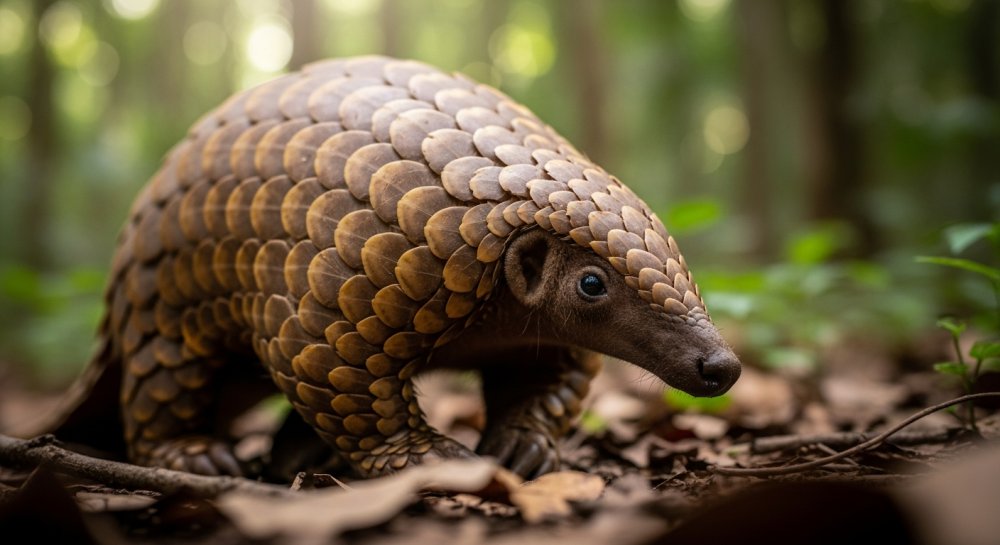
Quick Smiles:
- Scientists developed innovative DNA tracking to map illegal wildlife trade routes and protect endangered pangolins
- This breakthrough technology could dismantle poaching networks threatening one of the world’s most trafficked animals
- Conservation heroes are using cutting-edge science to give these adorable scale-covered creatures a fighting chance
In a heartwarming victory for wildlife conservation, scientists have discovered a revolutionary way to protect one of nature’s most vulnerable and adorable creatures—the pangolin.
Researchers have developed a groundbreaking DNA sampling technique that can pinpoint exact hotspots of illegal wildlife trade, offering new hope for these gentle, scale-covered animals that have suffered devastating losses to poaching.
The innovative study focused on pangolins, whose scales are tragically prized in traditional medicine markets despite having no proven medicinal value. These unique mammals account for nearly a third of all illegal wildlife trafficking, making them one of the most poached species on Earth.
But now, conservationists have a powerful new weapon in their arsenal.
By analyzing tiny DNA samples from various animal sources, scientists can trace trafficking routes with unprecedented accuracy. This means law enforcement can identify where poaching networks operate and take targeted action to shut them down before more pangolins are harmed.
The technique represents a major leap forward in wildlife protection technology. Instead of relying solely on patrols and checkpoints, conservation teams can now use scientific evidence to build cases against trafficking operations and protect vulnerable populations.
For pangolins—sweet, shy creatures that curl into protective balls when threatened—this breakthrough couldn’t come at a better time. All eight pangolin species are currently threatened with extinction, with some populations declining by more than 80% in recent decades.
These remarkable animals are the only mammals covered entirely in scales, and they play a crucial role in their ecosystems by controlling insect populations. A single pangolin can consume up to 70 million insects per year, making them nature’s pest control experts.
The DNA tracking system works by creating genetic maps that reveal the geographic origins of confiscated animals and animal parts. When authorities seize illegal shipments, they can now determine exactly where the pangolins were captured, allowing them to focus protection efforts on the most vulnerable populations.
This scientific approach transforms wildlife conservation from reactive enforcement to proactive protection. By identifying trafficking hotspots before they become established routes, conservationists can work with local communities to strengthen protections and create alternative livelihoods that don’t depend on poaching.
The research team’s dedication demonstrates how modern science can become a force for good, protecting the planet’s most defenseless creatures. Their work offers genuine hope that pangolins—and countless other threatened species—can recover and thrive.
As conservation technology advances, stories like this remind us that human ingenuity, when directed toward protecting rather than exploiting nature, can create miraculous outcomes for animals that desperately need our help.

-

 Cute Animals3 years ago
Puppy Love Patrol: Service Dog Swoons Over K9 Officer Neighbor
-
 Cute Animals3 years ago
Hugs, Hooves, and Happiness: Newborn Donkey Steals Hearts by Demanding Affection [Video]
-

 Cute Animals3 years ago
WATCH: A German Shepherd’s Surprising Parenting Instinct for Lost Ducklings!
-

 Cute Animals3 years ago
Petty Pup Pulls Off Hilarious Bone Heist [Video]
-

 Cute Animals3 years ago
“Pure Love”: Adopted Rescue Dog Can’t Hide How Grateful He Is [Video]
-

 Heroes3 years ago
A Lost Dog’s Bark Leads to a Lifesaving Discovery
-

 Cute Animals3 years ago
Tiny but Mighty: Cat with Dwarfism Becomes Internet Star as Owners Adapt Backyard for Her Comfort
-

 Cute Animals3 years ago
Adorable Puppy Steals Hearts After a Tiring Swim [Video]