Heroes
Scientists Using Crime-Solving Tech to Save Endangered Animals — The Results Will Restore Your Faith

Quick Smiles:
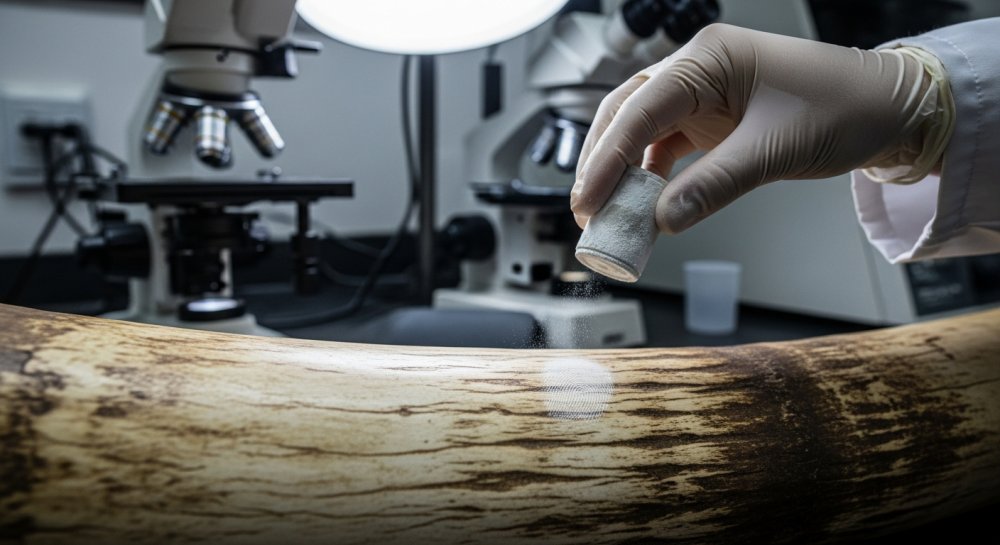
- Forensic scientists are now using the same DNA and fingerprint technology used to solve human crimes to track down wildlife poachers and save endangered species
- Advanced lab techniques can now trace confiscated ivory, rhino horn, and other wildlife products back to specific crime scenes and poaching networks
- This breakthrough approach is helping authorities arrest more criminals and protect vulnerable animal populations worldwide
In a heartwarming fusion of cutting-edge science and wildlife conservation, forensic experts are bringing the same tools used in criminal investigations to the fight against poaching. And the results are nothing short of inspiring.
Wildlife forensic laboratories around the world are now analyzing evidence from poaching scenes just like investigators would at a crime scene. DNA samples, fingerprints left on confiscated ivory, and other trace evidence are helping authorities connect the dots between illegal wildlife products and the criminals responsible.
The technology allows scientists to match seized ivory tusks or rhino horns to specific animals and locations. This means poachers can no longer hide behind the anonymity of black markets. Every piece of evidence tells a story, and that story is leading to more arrests and prosecutions than ever before.
Conservation officers are celebrating these scientific advances as game-changers in protecting endangered species. By treating wildlife crimes with the same seriousness as other major criminal activities, authorities are finally gaining ground in the battle to save Earth’s most vulnerable creatures.
The approach has already led to the dismantling of several international poaching rings. Forensic evidence has provided the proof needed to secure convictions and send a powerful message: wildlife criminals will be caught and held accountable.
What makes this story even more uplifting is the dedication of the scientists involved. These experts are volunteering their time and expertise, driven purely by their passion for protecting animals and preserving biodiversity for future generations.
Advanced techniques like DNA profiling can even determine the geographic origin of confiscated wildlife products, helping authorities identify poaching hotspots and deploy resources more effectively. It’s a beautiful example of human ingenuity being used for good.
As this forensic approach spreads to more countries and conservation programs, there’s genuine hope that we can turn the tide against wildlife trafficking. Every success story represents animals saved, ecosystems protected, and a brighter future for our planet’s incredible biodiversity.

-
 Cute Animals3 years ago
Puppy Love Patrol: Service Dog Swoons Over K9 Officer Neighbor
-
 Cute Animals3 years ago
Hugs, Hooves, and Happiness: Newborn Donkey Steals Hearts by Demanding Affection [Video]
-

 Cute Animals3 years ago
WATCH: A German Shepherd’s Surprising Parenting Instinct for Lost Ducklings!
-

 Cute Animals3 years ago
Petty Pup Pulls Off Hilarious Bone Heist [Video]
-

 Cute Animals3 years ago
“Pure Love”: Adopted Rescue Dog Can’t Hide How Grateful He Is [Video]
-

 Heroes3 years ago
A Lost Dog’s Bark Leads to a Lifesaving Discovery
-

 Cute Animals3 years ago
Tiny but Mighty: Cat with Dwarfism Becomes Internet Star as Owners Adapt Backyard for Her Comfort
-

 Cute Animals3 years ago
Adorable Puppy Steals Hearts After a Tiring Swim [Video]