Smile
Discover Earth’s Mars: Lake Salda’s Stunning Beauty Awaits You

Quick Smiles:
- Lake Salda in Turkey is Earth’s closest match to Mars’ Jezero Crater.
- The area is a haven for nature lovers, offering hiking and birdwatching.
- Environmentalists urge responsible tourism to protect this unique ecosystem.
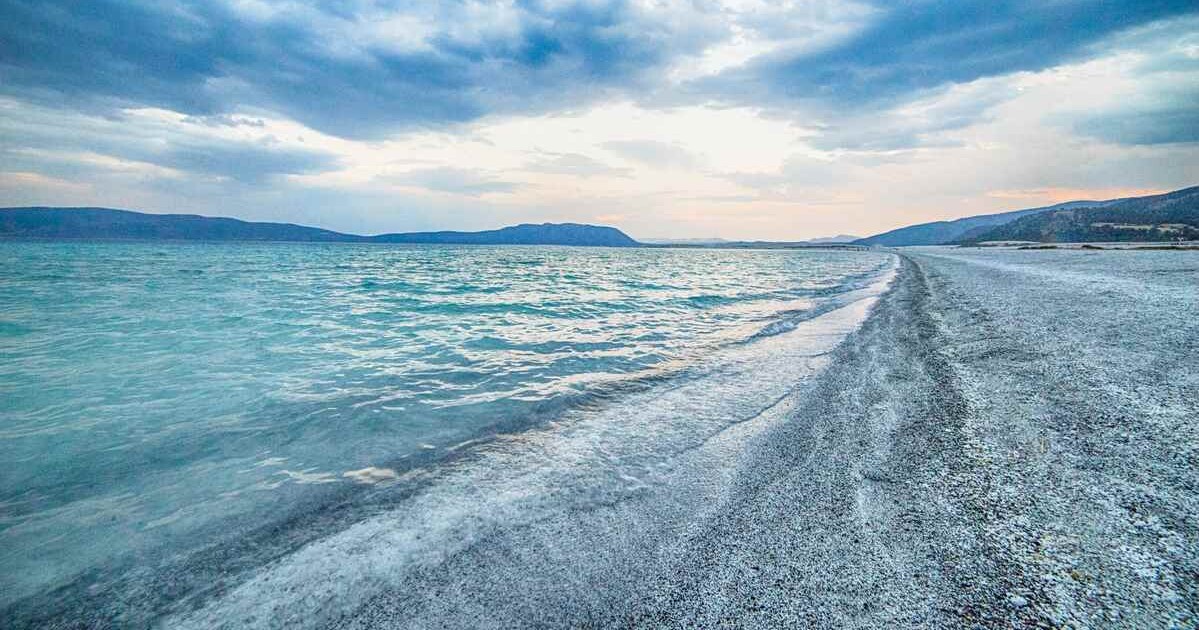
Nestled in southwest Turkey, Lake Salda is a shimmering turquoise gem that captivates both tourists and scientists alike. This breathtaking lake, located just a two-hour drive from Antalya, mirrors the ancient lake that once filled Mars’ Jezero Crater.
NASA’s Perseverance Rover team visited Lake Salda to study its unique characteristics before launching their mission to Mars.
A professor from Purdue University, who accompanied the NASA team, shared her awe: “Salda is of that composition that was created at the bottom of an ocean when the oceanic crust ripped apart and made new crust straight out of the interior of the Earth.”
The lake is enveloped by lush green hills and beige rocks, forming what many call the Turkish Lake District. It’s an ideal spot for hiking, birdwatching, and swimming in its inviting waters.
Nearby, the ancient cities of Kibyra and Sagalassos await exploration, both on the cusp of UNESCO World Heritage status.
Though often overshadowed by the famous terraces of Pamukkale, Lake Salda has earned its rightful place among geological marvels. It has been recognized as one of the world’s Top 100 geological sites by the International Commission on Geoheritage (IUGS).
Despite its protected status under Turkish law, Lake Salda faces environmental challenges. Shrinking water levels, pollution, and disturbances to the ecosystem threaten its delicate balance.
The importance of responsible tourism is emphasized, with the hope that many people will get to see this wonderful location. However, it’s crucial to appreciate it responsibly.
Visitors should remember that the lake has no outflow, meaning any pollution remains trapped. It’s crucial to avoid damaging the coral-like structures of microorganisms, which have taken millions of years to form.
These natural wonders cannot be replaced, so it’s vital to educate others about their significance and fragility.
By sharing this little corner of the world, we can ensure its wonders endure for generations to come.

-

 Cute Animals3 years ago
Puppy Love Patrol: Service Dog Swoons Over K9 Officer Neighbor
-
 Cute Animals3 years ago
Hugs, Hooves, and Happiness: Newborn Donkey Steals Hearts by Demanding Affection [Video]
-

 Cute Animals3 years ago
WATCH: A German Shepherd’s Surprising Parenting Instinct for Lost Ducklings!
-

 Cute Animals3 years ago
Petty Pup Pulls Off Hilarious Bone Heist [Video]
-

 Cute Animals3 years ago
“Pure Love”: Adopted Rescue Dog Can’t Hide How Grateful He Is [Video]
-

 Heroes3 years ago
A Lost Dog’s Bark Leads to a Lifesaving Discovery
-
 Cute Animals3 years ago
Tiny but Mighty: Cat with Dwarfism Becomes Internet Star as Owners Adapt Backyard for Her Comfort
-
 Cute Animals3 years ago
Adorable Puppy Steals Hearts After a Tiring Swim [Video]