Heroes
This Jaw-Dropping Scientific Achievement Will Help Save Millions of Species—And It’s Free For Everyone

Quick Smiles:
- 7.4 million plant and fungi specimens now available to anyone with internet access
- AI will help discover new medicines and protect endangered species using this treasure trove
- One of the world’s largest botanical institutions just made centuries of knowledge free to the world
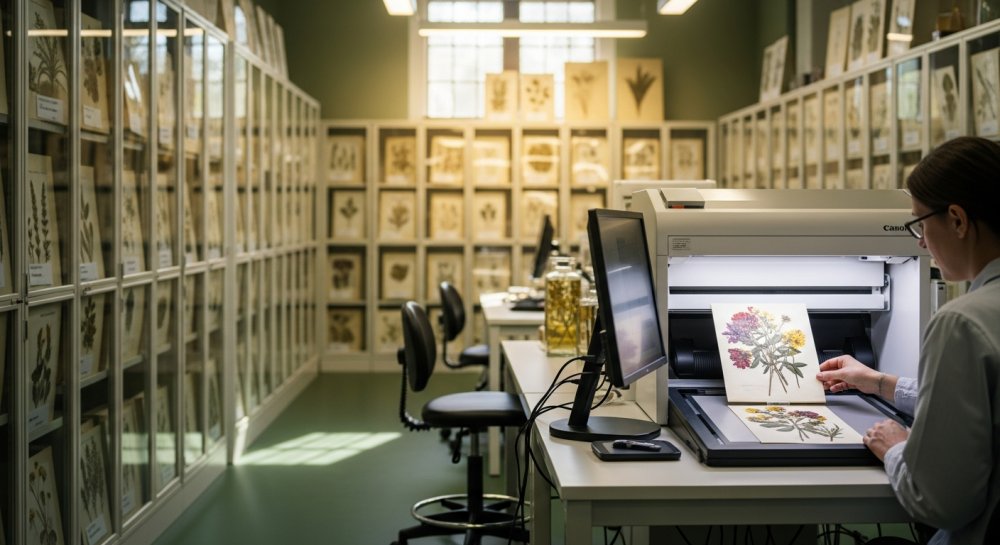
The Royal Botanic Gardens Kew has just completed something truly extraordinary—digitizing every single one of its 7.4 million plant and fungi samples. This monumental achievement means that centuries of botanical knowledge is now at everyone’s fingertips, completely free.
The massive undertaking represents one of the largest digital herbarium collections in the world. Each specimen has been carefully photographed and catalogued, preserving delicate flowers, rare fungi, and plants from every corner of the globe.
But this isn’t just about looking at pretty pictures of plants. The digitization opens up incredible possibilities for saving endangered species and discovering new medicines.
Scientists can now use artificial intelligence to analyze patterns across millions of specimens in minutes—work that would have taken human researchers lifetimes to complete. This computational power will help identify plants that might hold cures for diseases, understand which species are most at risk, and develop targeted conservation strategies.
The Royal Botanic Gardens Kew described the project as a way to “democratize knowledge,” making botanical research accessible to students, scientists, and nature enthusiasts anywhere in the world. No longer do researchers need to travel to London or have special credentials to study these priceless specimens.
The collection includes samples dating back centuries, some collected by famous explorers and naturalists. Many of the specimens represent species that are now endangered or even extinct in the wild, making this digital archive an irreplaceable record of Earth’s botanical diversity.
For conservation efforts, the database provides crucial baseline data. Scientists can compare historical specimens with modern samples to track how climate change and habitat loss are affecting plant populations over time.
The fungus collection is particularly valuable, as fungi play essential roles in ecosystems but remain understudied compared to plants. The digitized specimens could lead to breakthroughs in everything from sustainable agriculture to new antibiotics.
This represents a beautiful fusion of traditional botanical science and cutting-edge technology—preserving the past while empowering the future. The knowledge gathered by generations of botanists is now available to inspire and equip the next generation of plant scientists and conservationists.

-
 Cute Animals3 years ago
Puppy Love Patrol: Service Dog Swoons Over K9 Officer Neighbor
-
 Cute Animals3 years ago
Hugs, Hooves, and Happiness: Newborn Donkey Steals Hearts by Demanding Affection [Video]
-

 Cute Animals3 years ago
WATCH: A German Shepherd’s Surprising Parenting Instinct for Lost Ducklings!
-

 Cute Animals3 years ago
Petty Pup Pulls Off Hilarious Bone Heist [Video]
-

 Cute Animals3 years ago
“Pure Love”: Adopted Rescue Dog Can’t Hide How Grateful He Is [Video]
-

 Heroes3 years ago
A Lost Dog’s Bark Leads to a Lifesaving Discovery
-

 Cute Animals3 years ago
Tiny but Mighty: Cat with Dwarfism Becomes Internet Star as Owners Adapt Backyard for Her Comfort
-

 Cute Animals3 years ago
Adorable Puppy Steals Hearts After a Tiring Swim [Video]